






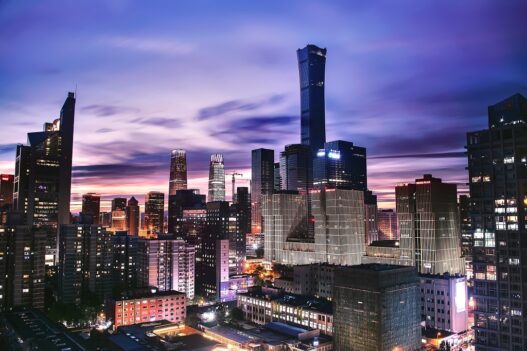
The rhythmic drumming that heralded the New Year in Beijing on January 1, 2026, marked a moment of both continuity and profound economic uncertainty for China. While the nation currently operates under a trade truce with the United States, the broader global landscape suggests a far more challenging path ahead for the world’s second-largest economy. The reprieve from American tariffs stands in stark contrast to a rising tide of protectionist sentiment emanating from other key international partners.
For months, concerns have mounted in Europe and across Latin America regarding Beijing’s export-driven growth model. Industries in these regions increasingly feel stifled by the influx of Chinese goods, leading to growing calls for retaliatory tariff barriers. This shift represents a significant and escalating tension point, moving beyond the bilateral squabbles of the past few years to a more multilateral challenge to China’s economic strategy. The sheer breadth of these potential new trade barriers could significantly complicate Beijing’s ability to rely on its traditional strengths in international trade, forcing a re-evaluation of its long-term economic blueprint.
Domestically, the picture is no less complex. A persistent housing slump continues to cast a long shadow over the economy. The property sector, once a primary engine of growth and a significant store of household wealth, now grapples with oversupply, developer defaults, and diminished consumer confidence. This downturn directly impacts consumer demand, which remains stubbornly weak, a critical issue for an economy attempting to rebalance towards internal consumption. Families, seeing their primary assets depreciate and feeling uncertain about future prospects, are naturally more hesitant to spend, creating a feedback loop that further dampens economic activity.
Furthermore, slowing investment is emerging as another significant headwind. Both domestic and foreign investors are exhibiting caution, a trend that can be attributed to a confluence of factors, including the housing crisis, geopolitical tensions, and an evolving regulatory environment. Reduced investment stifles innovation, job creation, and the development of new industries, all of which are essential for sustainable growth. The government’s efforts to stimulate investment through various policy measures have met with mixed results, indicating the deep-seated nature of these economic challenges.
The interplay of these factors creates a precarious balance for Beijing as it navigates 2026. The initial relief of a U.S. trade truce might be short-lived if the threats from Europe and Latin America materialize into concrete actions. Such a scenario would not only impact China’s export volumes but could also lead to a broader fracturing of global trade relationships, making it harder for Chinese companies to access new markets and maintain existing supply chains. The leadership in Beijing faces the unenviable task of sustaining economic growth while addressing deep structural issues at home and deflecting increasing protectionist pressures from abroad. The coming year will undoubtedly test the resilience and adaptability of China’s economic model, forcing potentially difficult choices in a rapidly changing global environment.