






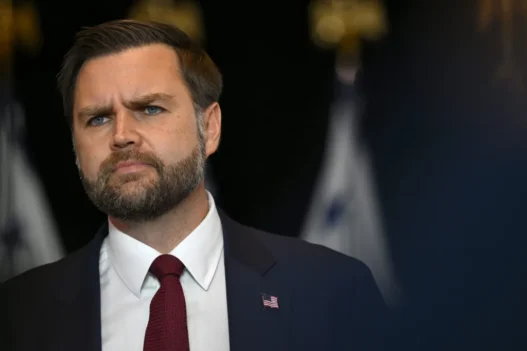
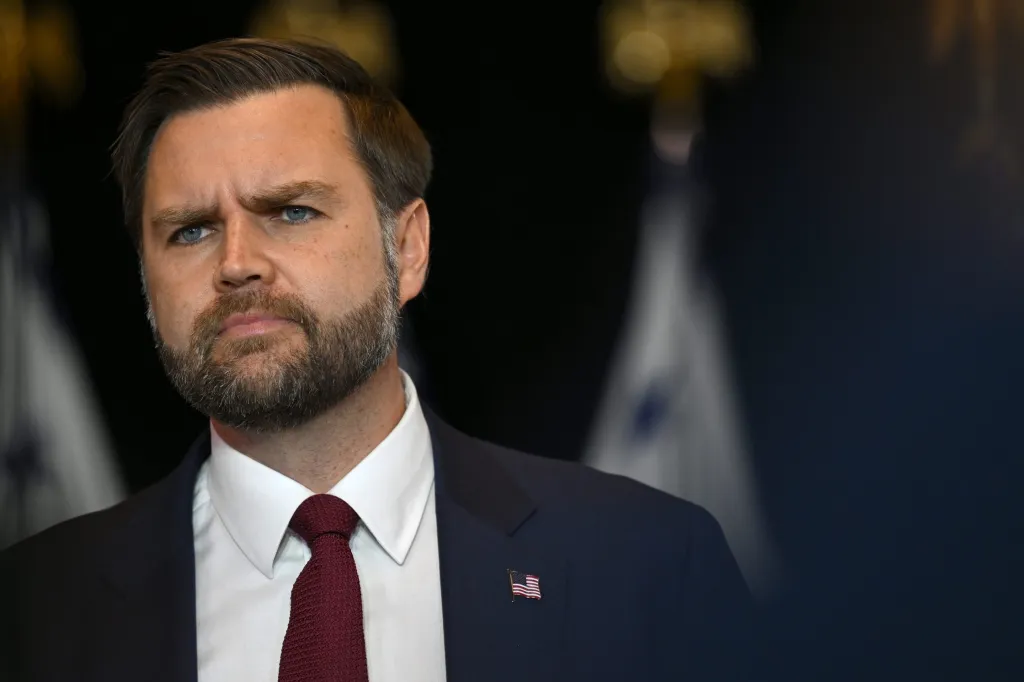
The Trump administration is shifting focus from purely digital economic growth to the foundational importance of physical commodities, drawing a clear distinction between the speculative nature of some modern investments and the tangible value of critical minerals. Vice President JD Vance articulated this position recently, emphasizing that while digital assets, artificial intelligence, and cloud computing dominate much of the current investment landscape, the economy still fundamentally relies on “real things.” This perspective suggests a re-evaluation of what truly underpins national economic security and future growth.
Vance specifically highlighted critical minerals, stating, “There is no realer thing than oil—and I would add to that there’s no realer thing than critical minerals.” His remarks were delivered to ministers from 55 nations gathered in Washington, a group convened to discuss the formation of a critical minerals trading bloc. Such an alliance aims to challenge China’s significant control over the extraction and processing of these essential elements. These minerals are indispensable components in a vast array of modern technologies, from consumer electronics like smartphones and electric vehicles to advanced military hardware such as fighter jets, forming the bedrock of substantial economic value.
The administration has initiated several strategic moves to bolster the U.S. position in the global critical minerals market. These include a substantial $12 billion strategic stockpile of raw materials, announced this month, alongside the pursuit of a minerals-focused trading bloc with allied nations. Over recent months, the government has also acquired stakes in multiple suppliers of rare earths and other critical minerals. This comprehensive strategy is designed to lessen America’s reliance on China, which currently holds a near-monopoly on these resources and has demonstrated a willingness to leverage this status during trade disputes with the U.S. Vance acknowledged the learning curve, noting, “A lot of us have learned the hard way, in some ways, over the last year how much our economies depend on these critical minerals.”
This push to prioritize tangible assets draws parallels to past administrations’ efforts to influence market behavior. In 2008, former President Barack Obama frequently criticized oil speculators for artificially inflating prices, subsequently tightening regulations on energy futures traders. Obama argued that “excessive speculation” contributed to rising gas prices and advocated for increased oversight and stricter penalties for market manipulation. Vance also referenced the 1974 Washington Energy Conference, a summit convened after an oil embargo caused significant economic disruption. That conference sought to establish shared energy policies to mitigate price spikes and supply shortages, addressing a situation where access to a single critical resource, oil, had become a tool of political pressure.
Five decades later, the critical resource has shifted from oil to rocks and minerals, with control largely consolidated in the hands of a key economic competitor. The current administration’s approach involves fostering greater collaboration with international partners and allies to fortify supply chains against potential disruptions from China. Discussions at the recent summit included various market mechanisms, such as establishing price floors among participating nations, reflecting a collective commitment to shared security. Vance underscored this collaborative spirit, stating, “This entire effort will be stronger and far more competitive if we build it together.” While the U.S. has increased government funding for the mining sector, China continues to lead in investment, having poured a record $32.6 billion into overseas metals and mining projects last year, primarily through its Belt and Road initiative in Central Asia and Africa.