






The fast food industry is entering a new era of digital oversight as Burger King prepares to integrate artificial intelligence into its daily operations. In a move that highlights the growing intersection of food service and high technology, the franchise giant has announced plans to use AI powered voice recognition to monitor how employees interact with customers. The primary objective is to ensure that basic tenets of hospitality, such as saying please and thank you, remain a consistent part of the guest experience.
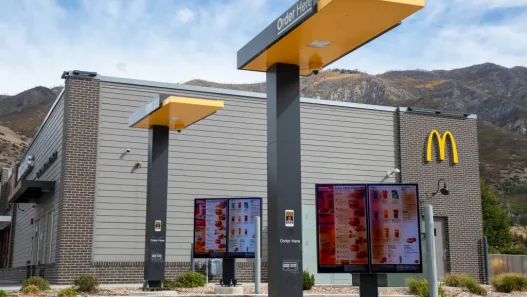
This initiative marks a significant shift in how service standards are enforced across the global landscape of quick service restaurants. Traditionally, managers relied on periodic mystery shoppers or manual oversight to gauge employee performance. However, the implementation of automated monitoring allows for a comprehensive analysis of every single transaction. By analyzing audio data from the drive thru kiosks, the system can determine if staff members are following established scripts and maintaining a polite tone during high pressure shifts.
Corporate leadership at Burger King suggests that this technological leap is not intended to be punitive but rather a tool for training and consistency. As the labor market remains competitive, the company views AI as a way to provide instant feedback to workers, helping them refine their soft skills in real time. For the brand, the stakes are high. In an age where digital convenience often replaces human interaction, the quality of the remaining face to face moments can define a company’s reputation and customer loyalty.
Critics of the move have raised concerns regarding privacy and the psychological pressure of constant surveillance. Labor advocates argue that monitoring every word spoken by an employee could lead to increased stress levels, particularly during peak hours when speed of service is already a primary metric. There is also the question of how the AI will interpret different accents, dialects, or the natural variations in human speech that occur in a bustling kitchen environment. If the system fails to account for these nuances, it could lead to unfair performance reviews for hardworking staff.
Despite these concerns, the trend toward algorithmic management shows no signs of slowing down. Other major players in the industry, including McDonald’s and Wendy’s, have already experimented with AI for order taking and inventory management. Burger King’s focus on the emotional and social aspects of the transaction represents the next frontier. By quantifying politeness, the company hopes to eliminate the variability that often plagues large franchise networks, ensuring that a customer in New York receives the same level of courtesy as one in London.
From a technical perspective, the software utilizes natural language processing to filter through the noise of a busy restaurant and isolate the dialogue between the worker and the patron. The data collected can then be aggregated into reports that show which locations are excelling in customer satisfaction and which require additional managerial support. It provides a level of granular detail that was previously impossible to achieve on a global scale.
As this technology rolls out, the broader service industry will be watching closely to see if automated politeness actually translates to higher sales. While a computer can track whether a specific phrase was uttered, it is much harder to measure the sincerity behind it. For now, Burger King is betting that a data driven approach to manners will give them a competitive edge in a crowded market where every second and every interaction counts.