





The American housing market is undergoing an unexpected recalibration, shifting dramatically from the trends that defined the post-pandemic boom. Formerly red-hot Sun Belt metros, once the darlings of real estate investors and migrating homeowners, are now experiencing significant price corrections, while quieter, more affordable cities in the Midwest and Northeast are seeing a resurgence. This phenomenon marks a distinct “reversion to the mean,” as described by analysts, where previous outliers are normalizing and overlooked regions are gaining traction.
Data compiled by the American Enterprise Institute (AEI) Housing Center, under the direction of Ed Pinto and Tobias Peter, illustrates this stark reversal. Nationally, home price appreciation (HPA) registered a modest 1.1% in the twelve months ending in February, the slowest rate since the AEI began tracking these figures in 2012. Projections from the AEI suggest this trend will continue, with expectations of a negative turn in April and a potential 1% decrease in single-family home prices by the end of 2026, followed by further declines of 2.0% in both 2027 and 2028. Such figures indicate that the dollars homeowners receive from selling in the coming years will not only be fewer but will also be further eroded by inflation.
This slowdown represents a sharp departure from the housing landscape of just a few years ago. From 2013 to early 2020, HPA typically hovered between 5% and 7%. The intervention of the Federal Reserve, slashing interest rates, provided significant impetus, dropping mortgage costs from around 4.6% in late 2018 to a low of 2.6% by early 2021. This created an environment where buyers could afford higher home prices due to lower monthly payments, propelling HPA to an annual rate of approximately 18% by early 2022. Much of this growth was concentrated in the Sun Belt and select Western cities, including Denver, Seattle, Portland, and Boise, with Florida, Texas, and California leading the charge.
Consider the dramatic appreciation witnessed in these areas during the peak period from the fourth quarter of 2019 to the second quarter of 2022. Las Vegas saw average prices jump 45%, from $308,000 to $448,000. Miami experienced a 50% increase, moving from $350,000 to $450,000. Phoenix surged 60%, from $293,000 to $470,000, while Dallas climbed 64%, from $264,000 to $432,000. Austin led with a remarkable 100% appreciation, soaring from $297,000 to $593,000. In stark contrast, cities in the Rust Belt and the broader Midwest, such as Minneapolis, Cleveland, Louisville, St. Louis, and Kansas City, experienced gains ranging only from 25% to 33% during the same timeframe, continuing a pattern of slower growth that predated the pandemic.
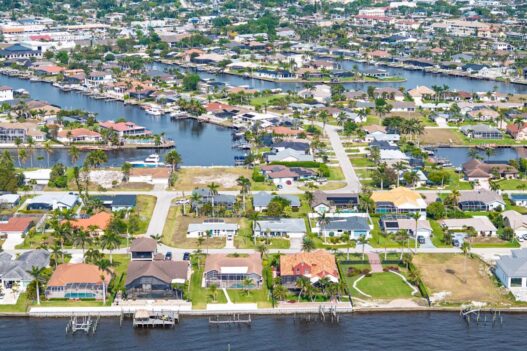
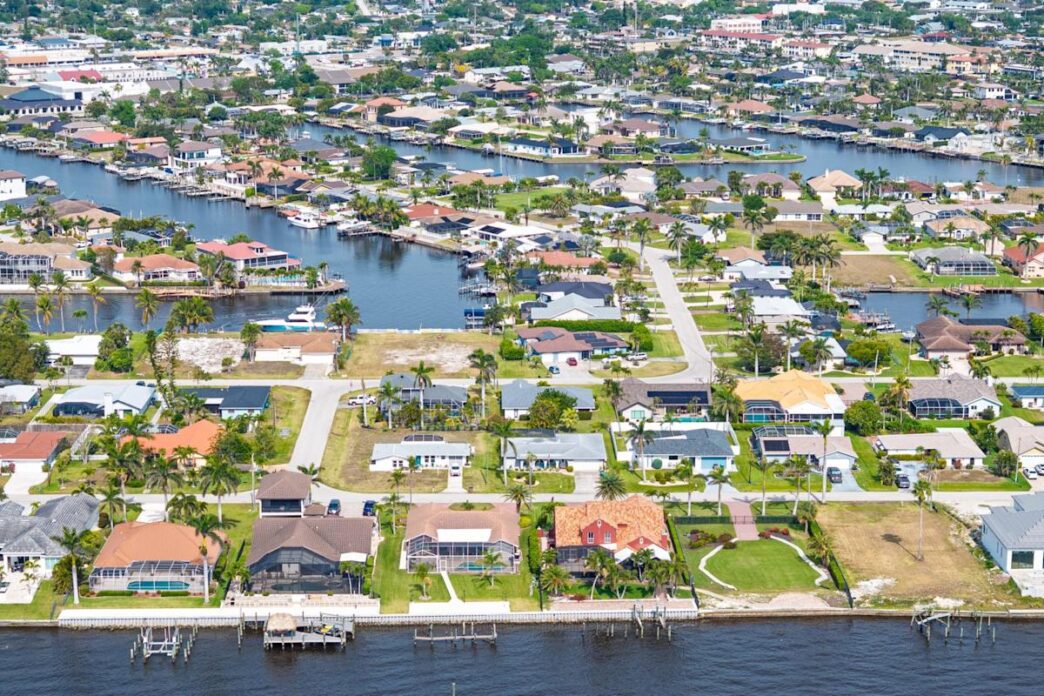
However, the tables have turned significantly. An AEI analysis comparing February 2025 to February 2026 HPA reveals an almost inverted picture. Former high-flyers are now among the worst performers. Cape Coral, Florida, recorded the largest drop at 9.6%, followed by North Port, Florida, Memphis, Tucson, and Palm Bay, Florida, all seeing decreases between 3.8% and 6.1%. Conversely, Kansas City emerged as the top performer with an 8.6% increase, alongside Pittsburgh at 5.8% and Cleveland at 5.9%. This shift is not isolated; 28 of America’s 53 largest metropolitan areas experienced price decreases through February, encompassing all major cities in Florida, California, and Texas. Meanwhile, the entire Rust Belt bloc has shown positive growth, with Louisville up 3.4%, Grand Rapids 5.1%, and Milwaukee 5.6%. Even historically stable markets like Chicago and Philadelphia, which saw roughly 4% gains, are now benefiting from their previous affordability.
A significant factor contributing to the Sun Belt’s downturn is an influx of housing supply. According to the AEI report, 43 of the 53 major cities now hold over seven months of housing inventory. This level is broadly considered the threshold for a buyer’s market, indicating that in most metros, purchasers now have a distinct advantage. Miami, for instance, has nearly a year’s worth of inventory, while Austin, Tampa, and Houston are approaching eight months. Ed Pinto suggests that the markets experiencing the most significant contractions are likely to continue their downward trajectory. The rapid price escalation in places like Cape Coral and Phoenix rendered them unaffordable for a substantial segment of buyers, particularly first-timers. The confluence of elevated prices and mortgage rates now hovering around 6.5%, nearly double their pandemic lows, means that prices must adjust further to align with what buyers can realistically afford each month.
Pinto also points to the rising costs of homeownership in these previously booming areas, which are now making renting a more attractive alternative. The gravitational pull of rental costs often brings housing prices back to earth after a substantial surge. Despite the current cooling, Pinto anticipates that once these former hotspots reach more normalized price levels, their inherent appeal will lead to a renewed interest. For now, however, the “affordability economy” has shifted the spotlight, with homebuyers increasingly seeking out more reasonably priced cities, ushering in a period of unexpected appreciation for the nation’s traditionally slower-paced markets.