

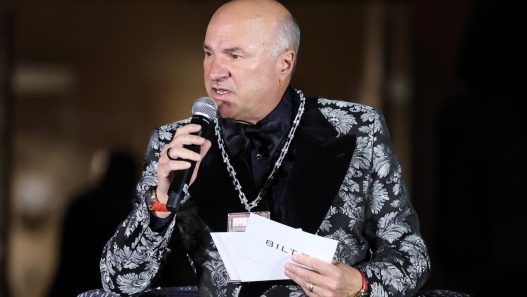





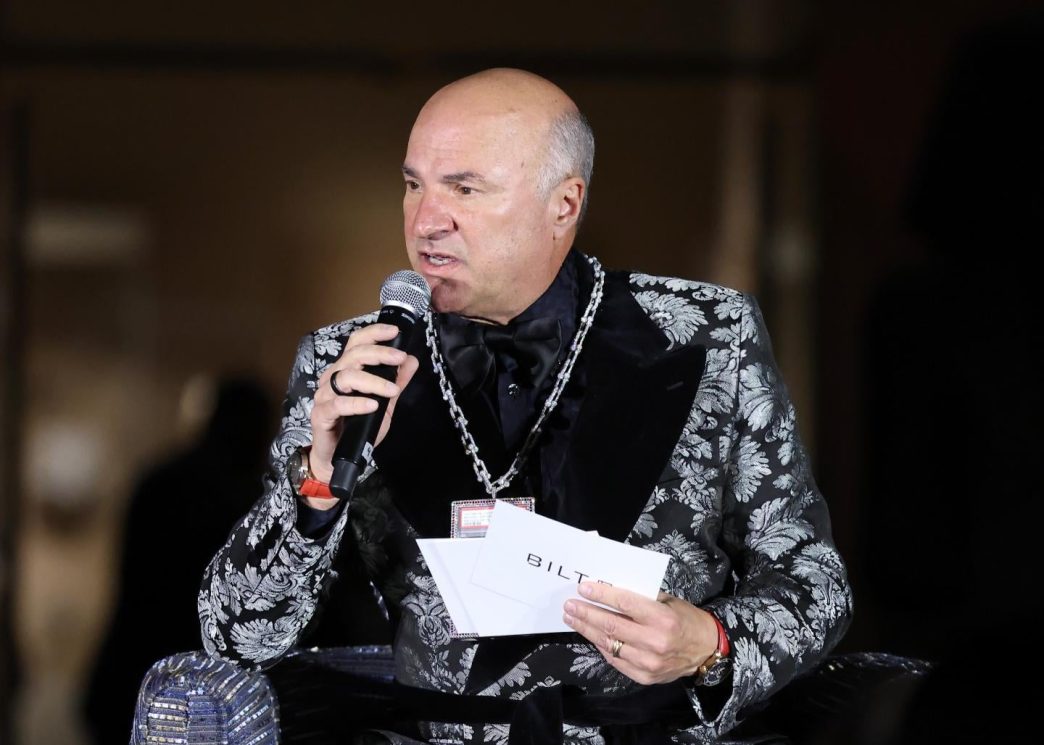
Shark Tank investor Kevin O’Leary has built a brand on blunt financial advice. Save 15 percent of every paycheck, invest it in the stock market, and let compound growth do the work. It is a familiar recipe for building wealth, and one he has repeated often to younger Americans.
That message collided with a different generational view in a recent Jubilee Media debate titled “1 Millionaire Boss vs 20 Gen Z Workers.” During the nearly two-hour exchange, a software engineer named Joe pushed back on the idea that workers should rely on personal discipline alone while investors collect the returns from labor they did not perform.
The core challenge
Joe framed the issue around fairness. If employees spend their working lives producing value, he asked, why should the surplus flow to shareholders rather than to the people who did the work? The question turned the debate away from individual saving habits and toward the structure of the economy itself.
O’Leary defended the traditional arrangement. Investors supply the capital that makes companies possible, he argued, and they take on risk in exchange for a share of the profits. Workers earn wages in exchange for their labor. That contract, in his view, is what allows businesses to operate and expand.
From Starbucks to Amazon
Joe used concrete examples to make his case. He pointed to Starbucks, which reported tens of billions of dollars in annual revenue and recently increased its dividend to shareholders. If the company can distribute profits to investors, he asked, why can it not also direct a larger share to the workers making and serving the coffee?
The debate then shifted to Amazon, the largest company on the 2026 Fortune 500. Joe noted that a software engineer at Amazon might receive restricted stock units as part of compensation, giving them a path to build wealth alongside their salary. A warehouse worker doing physically demanding work, by contrast, might receive no equity at all. The difference, he suggested, is not effort or ability but job classification.
O’Leary responded that the labor market sets compensation. If Amazon could not find enough warehouse workers at current wages, he said, the company would have to raise them. He also questioned whether equity could work in every industry, asking how one would give shares to employees of a utility.
Other models on the table
Joe did not insist that equity is the only answer. He raised profit-sharing, dividends, and other arrangements that would give employees a direct financial stake in the success they help create. He cited Mark Cuban, another Shark Tank investor, as someone who has given employees equity in companies he founded and has urged other chief executives to do the same.
The two found at least one point of agreement: SpaceX. When the company went public in June, more than 4,400 current and former employees reportedly became millionaires, including welders and other non-executive workers. O'Leary said he had no problem with that outcome. Joe agreed, but argued that such results are rare rather than representative of how the broader economy works.
The 15 percent rule and the cost of living
The exchange kept returning to O'Leary's standard advice. He has argued that someone earning $68,000 a year could retire a millionaire by consistently investing 15 percent of their income. The math is compelling on paper, but another participant in the debate, a security guard named Kieran, described working 80 hours a week and spending 55 percent of his income on rent.
O'Leary suggested cutting unnecessary spending. Joe countered that for many workers, there is little left to cut after covering basic expenses. The disagreement was not just about economics. It was about whether the rules of the game are as fair and accessible as O'Leary's advice assumes.
An unexpected ending
Despite the tension, O'Leary appeared impressed by Joe's conviction. He told the software engineer he would make "good television" and invited him to appear on Shark Tank. Joe declined. "I never will," he said. "I don't want to be an entrepreneur, bro. I just want to live."
The line captured a generational divide. For O'Leary, wealth is built through investment and ownership. For Joe, the aspiration is more modest: a stable life where work does not have to be converted into entrepreneurship or stock holdings to be worthwhile. The debate did not resolve the question, but it made the gap impossible to ignore.