







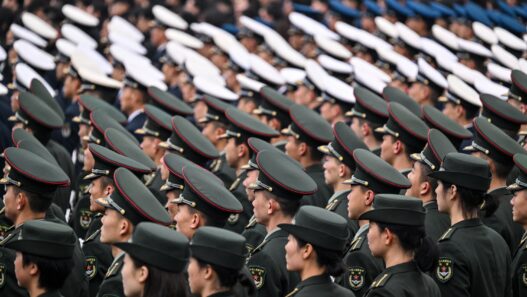
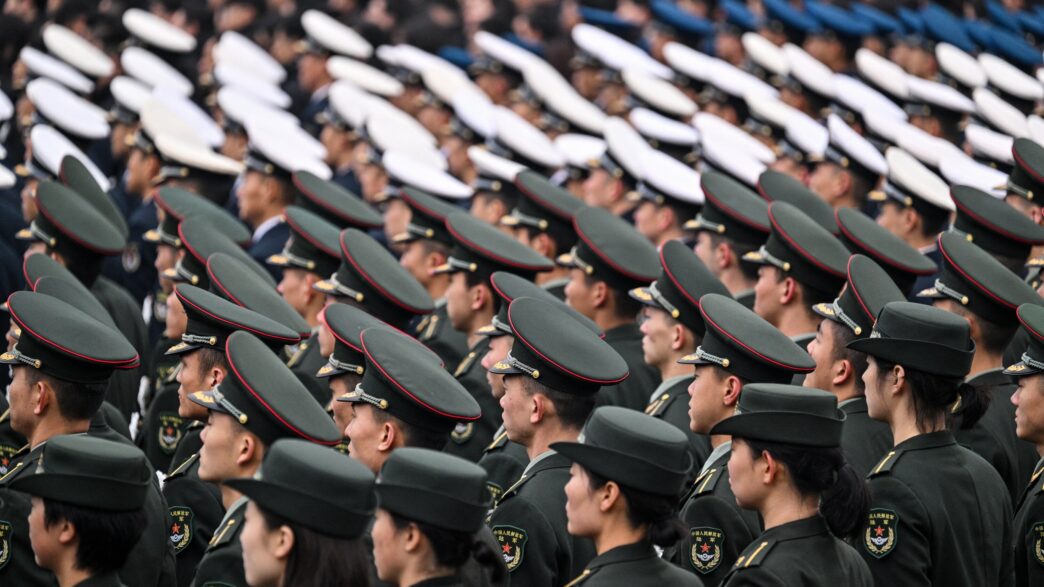
A new recruitment video from the Central Intelligence Agency, recently posted on its YouTube channel, explicitly encourages members of the Chinese military to provide intelligence to the United States. This unusual public appeal arrives at a moment of notable upheaval within the People’s Liberation Army, following a significant leadership change under President Xi Jinping. The video’s release suggests an opportunistic strategy by the U.S. agency, aiming to capitalize on potential disaffection or uncertainty within the ranks of China’s armed forces.
The material disseminated by the CIA features a direct address, crafted to resonate with individuals who might be contemplating assisting foreign intelligence. This overt approach contrasts with the typically covert methods employed in intelligence gathering, signaling a potentially heightened focus on human intelligence from within China’s military apparatus. Such a public appeal is rare, underscoring the perceived importance of gathering insights into the PLA’s operations and strategic thinking, particularly as geopolitical tensions continue to evolve.
Observers in Tokyo and elsewhere are dissecting the timing of this public overture. The video emerged shortly after a major shake-up at the highest levels of the People’s Liberation Army. While specifics remain guarded, the widely reported purge of a top leader, understood to be General Zhang Youxia, has sent ripples through the command structure. Such internal shifts can, at times, create windows of opportunity for foreign intelligence services seeking to cultivate sources, as individuals might feel vulnerable, disillusioned, or seeking new allegiances amidst the instability.
The strategic intent behind the CIA’s YouTube campaign appears multifaceted. Beyond the immediate goal of recruiting informants, the video also serves as a psychological operation. It communicates a message directly to Chinese military personnel that avenues for communication with U.S. intelligence exist, potentially sowing seeds of doubt or encouraging internal scrutiny within the PLA. Even if direct recruitment numbers are modest, the mere existence and visibility of such a message could contribute to an environment of distrust or suspicion within Chinese military units, complicating internal cohesion.
This development reflects a broader, ongoing competition between global powers in the intelligence domain, with both sides constantly seeking an informational edge. The use of platforms like YouTube for such sensitive communications also highlights the evolving landscape of intelligence operations, where traditional methods are increasingly augmented by digital and open-source strategies. The decision to use a widely accessible platform like YouTube, rather than more clandestine channels, indicates a calculation that the potential benefits of broad reach outweigh the risks of public exposure.
The implications of this move extend beyond immediate intelligence gathering. It signals a persistent U.S. interest in understanding the inner workings and future trajectory of the People’s Liberation Army, particularly in light of China’s growing military capabilities and assertive regional posture. For Chinese military personnel, the video presents a stark choice, with potential severe consequences should they engage with foreign intelligence. The coming months will likely reveal whether this audacious public appeal yields any significant intelligence dividends or merely adds another layer of complexity to the already intricate relationship between the two nations’ intelligence communities.