








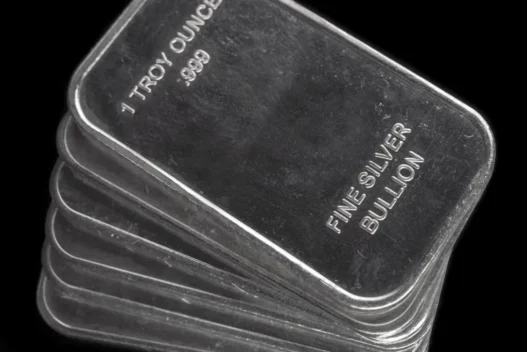
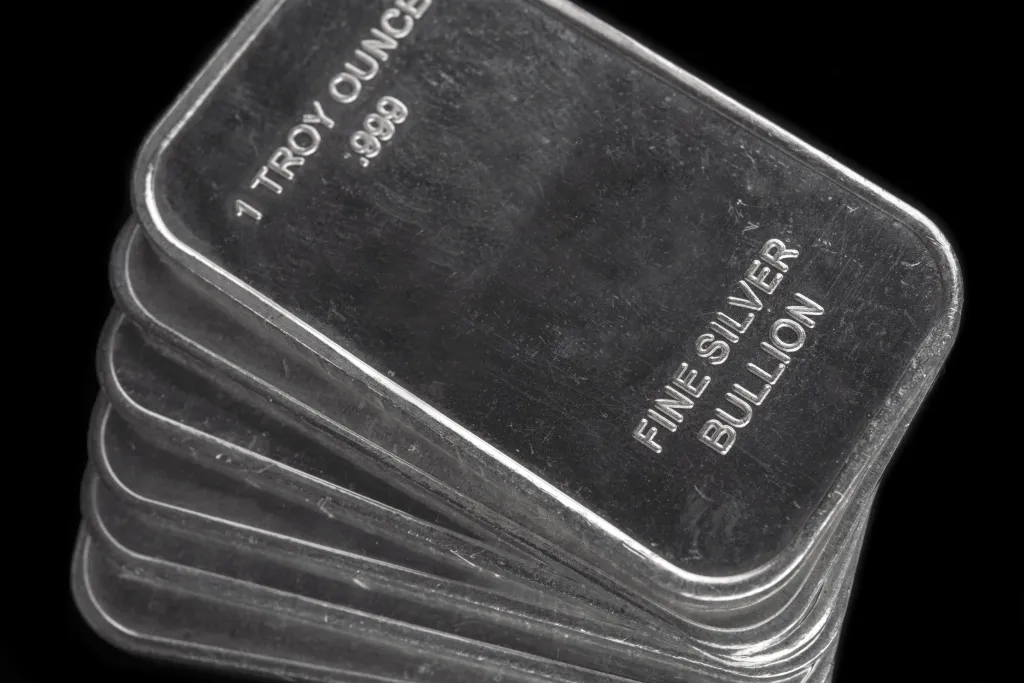
The financial markets, still shaking off the holiday lull, witnessed a dramatic surge in precious metals this past Friday, as silver, gold, platinum, and palladium all established new record highs. This widespread ascent across the sector underscores growing investor anxiety fueled by escalating geopolitical tensions and persistent concerns over national debt levels. While U.S. stocks showed little movement, the energy in the commodities market was palpable, reflecting a broader flight to safety among investors.
Silver, often overshadowed by gold, led the charge with an astounding 9.6% jump, pushing its price above $78 per ounce for the very first time. Not to be outdone, platinum surged by 10.5%, and palladium experienced an even more significant leap of 13%. Gold, the traditional safe haven, also climbed, rising 1.3% to reach a fresh record of $4,561 per ounce. These recent gains contribute to an already remarkable year for these metals; silver has spiked an astonishing 169% year-to-date, platinum is up 172%, and palladium has soared 124%. These figures easily eclipse gold’s 73% gain, and even surpassed the 42% rise in Nvidia shares and the S&P 500’s 18% advance.
The catalyst for this latest rally appears multifaceted, with global instability playing a significant role. The U.S. launched strikes against Islamic State targets in Nigeria on Thursday, adding another layer to an already complex international landscape. Earlier in the week, the Trump administration intensified pressure on Venezuela by targeting additional oil tankers, aiming to disrupt a crucial revenue stream for the Maduro regime. Simultaneously, the Pentagon reportedly deployed substantial special-operations aircraft, troops, and equipment to the Caribbean, joining a naval flotilla that has been building up for months. President Donald Trump’s hints about expanding U.S. attacks beyond suspected drug boats to land targets in the region have further amplified fears of a new regional conflict, driving investors towards perceived safe havens.
Beyond immediate geopolitical flashpoints, a deeper undercurrent of economic anxiety is clearly influencing investor behavior. Concerns about ballooning national debt, particularly in major economies like the U.S., are making traditional assets like the dollar and yen appear less stable compared to precious metals. Robin Brooks, a senior fellow at the Brookings Institution, recently articulated this phenomenon, describing a resurgence of the “debasement trade.” Brooks highlighted in a Substack post that precious metals began their significant ascent after Federal Reserve Chairman Jerome Powell hinted at potential rate cuts over the summer, with Powell’s dovish speech at Jackson Hole in August and the Fed’s December rate cut serving as significant catalysts. This suggests a growing belief that governments might allow inflation to run hotter to devalue their debt, rather than tackle deficits head-on.
This “debasement trade” is not confined solely to precious metals. Brooks observed that currencies of countries with lower public debt, such as Switzerland and Sweden, have also moved in sync with gold and silver prices. He specifically noted the focus on the Swedish Krona, traditionally a volatile currency without safe-haven attributes, suggesting the debasement trade is altering its perceived reliability. Market veteran Ed Yardeni echoed these sentiments, attributing the surge in precious metals partly to concerns regarding the potential for excessive stimulative effects from U.S. monetary and fiscal policies in the coming year.
Wall Street anticipates further rate cuts from the Federal Reserve, which has also resumed bond purchases, while consumers are poised to experience the effects of Trump’s tax cuts. The possibility of “tariff dividend” checks, though requiring congressional approval, further adds to the potential for increased liquidity. Yardeni warned that these combined factors could significantly inflate the federal budget deficit in the early months of 2026, potentially prompting “Bond Vigilantes” to push Treasury bond yields higher and trigger a stock market correction. This confluence of geopolitical unrest and fundamental economic concerns appears to be charting a new course for precious metals in the global financial landscape, as investors seek refuge from an increasingly uncertain future.