






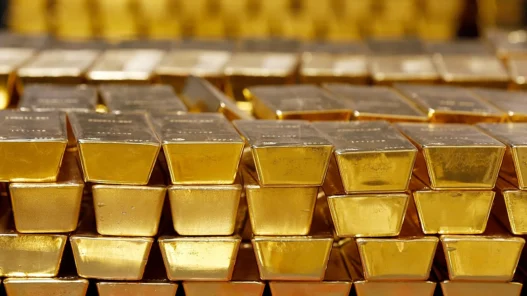
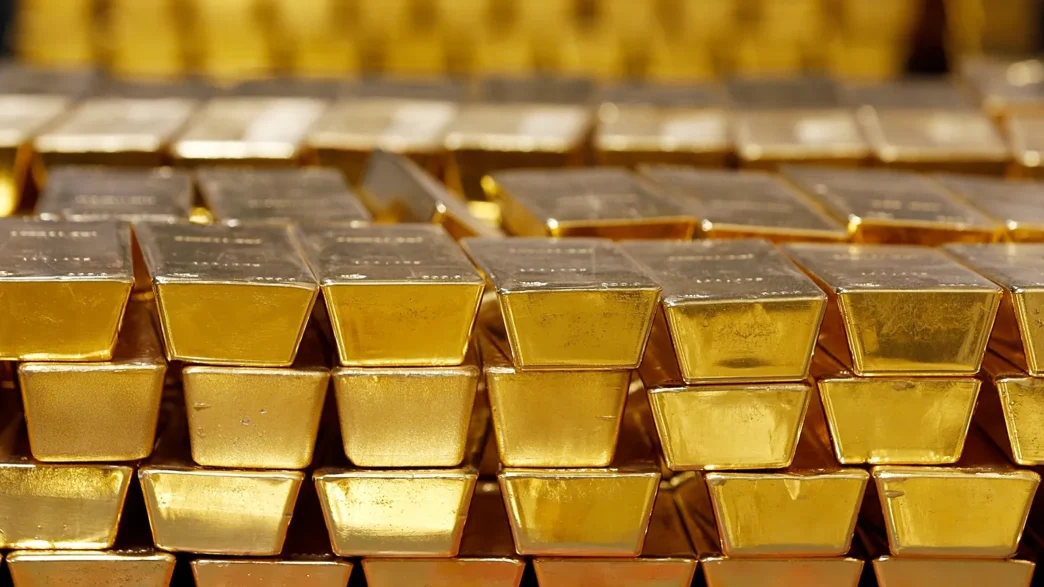
The financial markets experienced a dramatic week, with gold prices surging to unprecedented levels before undergoing a significant correction. On Thursday, the precious metal reached a new record high of $5600 per ounce, while silver traded at $120 per ounce, igniting a global rush among investors and consumers alike. This feverish demand saw individuals queuing to sell existing bullion or acquire new holdings, reflecting a widespread desire to either capitalize on the soaring values or seek a perceived safe haven.
Consumers were observed flocking to local retailers, eager to cash in gold jewelry, while others ventured into the market for the first time, purchasing gold coins or bars. A segment of investors opted for exchange-traded funds, a method allowing them to trade the metal’s value much like traditional stock shares. However, this peak was short-lived. By Friday evening, gold had already retreated considerably, falling to $470 per ounce, a stark reminder of the market’s inherent volatility.
The swift downturn followed gold reaching over $5418 per troy ounce on the spot market in New York earlier in the week. This peak marked the culmination of a trend that saw gold prices significantly higher than the previous year, when the spot price hovered below $2795 per troy ounce. The subsequent drop, with futures dipping below $5,000 on Friday afternoon, has led some analysts to suggest a broader market correction might be underway. Such pronounced fluctuations underscore the unpredictable nature of precious metals, even as their long-term trajectory has been upward.
Much of the recent market turbulence can be attributed to a confluence of geopolitical uncertainties and domestic political developments. The heightened interest in gold and other precious metals like silver often coincides with periods of global instability. Previous spikes were noted during the height of the COVID-19 pandemic and amid ongoing international conflicts, alongside trade disputes initiated by President Donald Trump. The latest record highs in gold prices aligned with escalating tensions in regions like Venezuela and Iran, coupled with President Trump’s repeated assertions regarding a potential US acquisition of Greenland and his increasingly assertive posture towards traditional American allies.
Daniel McDowell, a professor of political science at Syracuse University, highlighted to the Associated Press that these moments of instability often trigger a “psychological reaction” among some individuals who view gold as a secure repository for their wealth. He observed a fundamental shift in how the established world order is perceived, contributing to this flight to safety. This sentiment is not new; gold has historically served as a hedge against economic and political uncertainty.
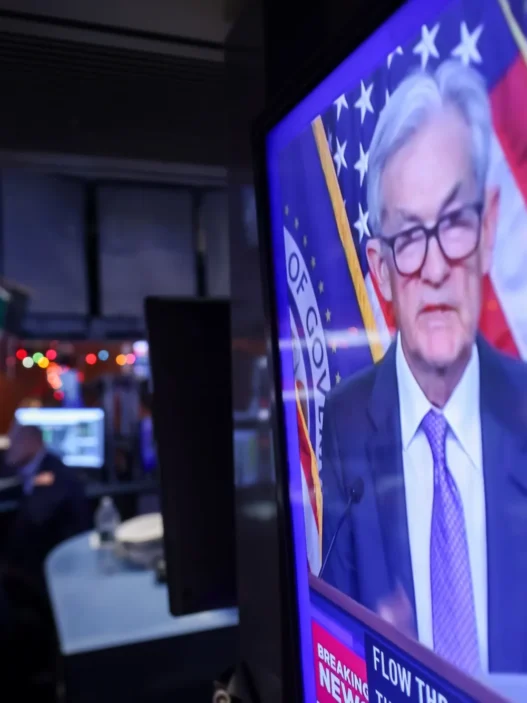
Adding another layer to the market’s recent volatility is the news surrounding President Trump’s potential nomination of former Federal Reserve official Kevin Warsh as the next US central bank governor. This development has fueled speculation about the future independence of the Federal Reserve and the direction of US monetary policy. Warsh, known as a “hawk” in Fed circles for advocating higher interest rates to control inflation, would succeed current chairman Jerome Powell if confirmed, whose term concludes in May. President Trump has previously criticized Powell for not cutting interest rates swiftly enough, signaling his preference for policies that could reduce the borrowing costs associated with the nation’s substantial $38 trillion debt. The prospect of a new Fed chairman, particularly one seen as potentially more aligned with White House influence, has undoubtedly contributed to the dollar’s weakening and the ensuing precious metal market gyrations.