





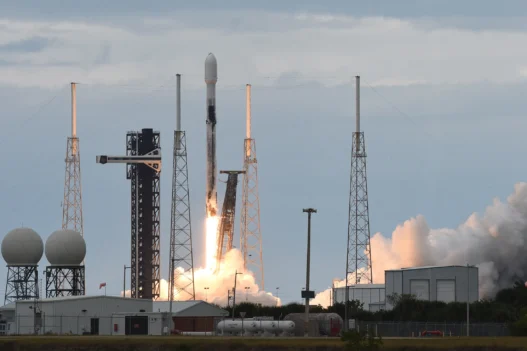
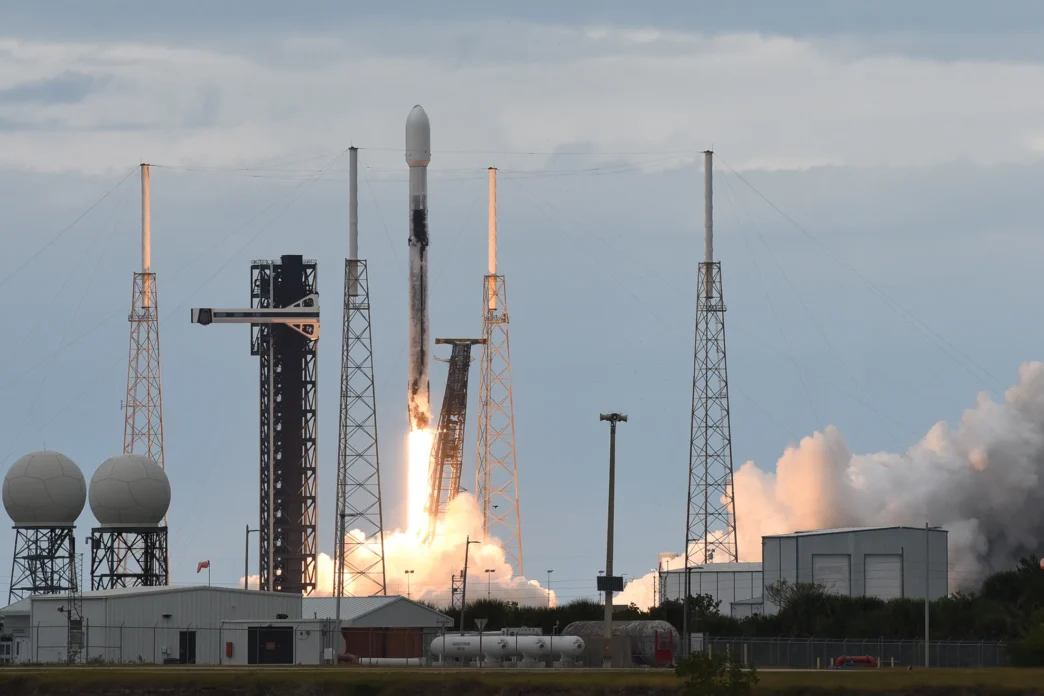
Alphabet Inc. is once again positioned to record a significant accounting boon, a testament to its prescient, long-term investment strategy. The latest tender offer from SpaceX, Elon Musk’s ambitious aerospace venture, has effectively revalued the closely held company at an astonishing $800 billion. This staggering figure, based on an insider share sale priced at $421 per share, marks a dramatic escalation from previous secondary market transactions and is set to disproportionately benefit Google’s parent company.
This isn’t an unfamiliar narrative for investors tracking Alphabet’s financial disclosures. The tech giant has been a steadfast, if understated, backer of SpaceX since at least 2015, participating in a pivotal $1 billion funding round alongside Fidelity Investments. At that juncture, their combined stake represented roughly 10% of the burgeoning rocket and satellite firm. While Alphabet maintains a policy of not commenting on individual private holdings, the financial impact of this particular investment has become increasingly transparent in its earnings reports, albeit without explicit naming.
Earlier this year, the sheer scale of this quiet bet became starkly evident. Alphabet’s first-quarter earnings were significantly bolstered by an $8 billion unrealized gain, widely attributed to its SpaceX investment. That particular surge followed a late 2023 tender offer that had valued SpaceX at approximately $350 billion. The timing of such revaluations, often coinciding with liquidity events or new funding rounds for the private entity, provides a fascinating glimpse into the mechanics of venture capital accounting within a publicly traded behemoth. These “unrealized gains on non-marketable equity securities” have a direct, material effect on Alphabet’s net income, often pushing it beyond Wall Street’s consensus expectations.
The current valuation jump, implying a more than doubling of SpaceX’s worth since the previous tender, suggests an even more substantial windfall for Alphabet’s upcoming financial statements. This latest development underscores the strategic foresight of Alphabet’s investment arm, which has quietly nurtured a portfolio of high-growth, transformative companies. While the public often focuses on Google’s core advertising business or its cloud computing division, these judicious private equity placements contribute a substantial, if less publicized, component to its overall financial health.
For market observers, the forthcoming earnings report from Alphabet will be scrutinized not just for its operational performance but also for the magnitude of this latest accounting uplift. The trajectory of SpaceX, from its ambitious beginnings to its current multi-hundred-billion-dollar valuation, serves as a powerful illustration of how strategic early-stage investments can yield extraordinary returns for patient, well-capitalized corporate investors. It also highlights an intriguing facet of the modern financial landscape, where the success of one visionary entrepreneur, Elon Musk, can generate significant, albeit indirect, financial dividends for another titan of industry.