





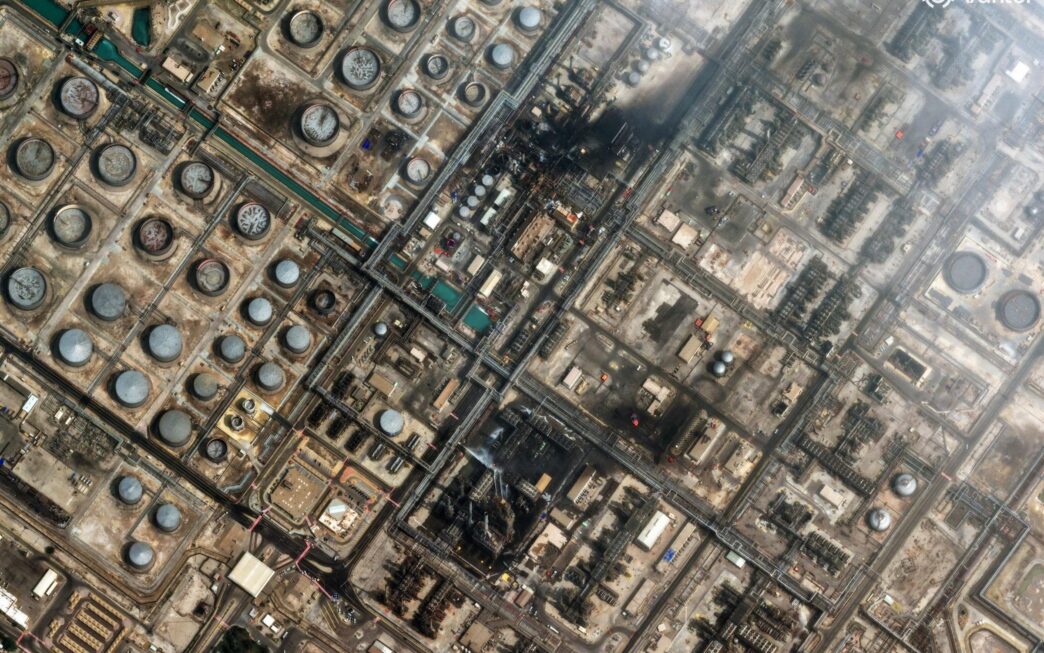
The Brent crude benchmark surpassed $100 a barrel this morning, a critical psychological and economic threshold, as the ongoing conflict in Iran continued to escalate without immediate prospects for de-escalation. This significant leap in energy prices immediately reverberated through global markets, sending major stock indices into a pronounced downturn by midday trading. Investors, already navigating a complex landscape of persistent inflation and hawkish central bank policies, now face the added uncertainty of a prolonged geopolitical crisis impacting essential commodities.
Trading floors in New York, London, and Tokyo saw a rush of sell orders, particularly in sectors sensitive to energy costs and consumer spending. The Dow Jones Industrial Average shed over 800 points in early trading, while the FTSE 100 in London and Japan’s Nikkei 225 also registered substantial losses. Analysts pointed to the intertwined nature of global supply chains and energy dependency, emphasizing that a sustained period of high oil prices could trigger a broader economic slowdown, potentially dampening corporate earnings and consumer confidence across multiple regions. The volatility index, often seen as a barometer of market fear, spiked sharply, indicating a widespread sense of unease among institutional and retail investors alike.
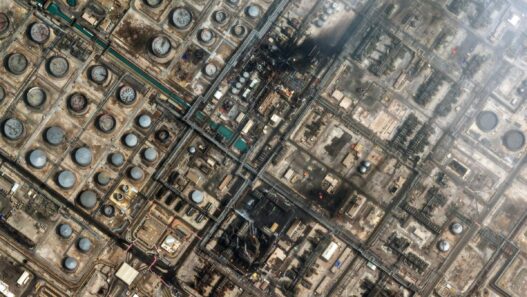
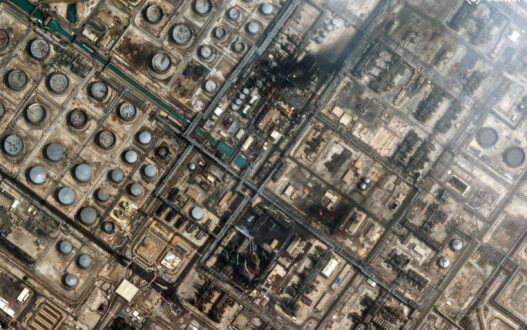
Reports from the region suggest that disruptions to shipping lanes and potential threats to oil production facilities are contributing to the market’s anxiety. While official statements from oil-producing nations have attempted to reassure markets about supply stability, the perceived risk premium associated with Middle Eastern crude has clearly factored into current price levels. Traders are closely monitoring any developments that could either expand or contain the conflict, understanding that even minor shifts could have substantial implications for global energy flows and, by extension, the world economy.
The immediate impact on consumers is already becoming apparent, with gasoline prices at the pump expected to climb further in the coming days and weeks. This adds another layer of pressure to household budgets already strained by rising living costs, prompting concerns about discretionary spending and its potential drag on economic growth. Businesses, particularly those in transportation, manufacturing, and logistics, are bracing for increased operational expenses, which may translate into higher prices for goods and services, further fueling inflationary pressures. Central banks, which have been cautiously optimistic about bringing inflation under control, now face a renewed challenge in balancing price stability with the risk of stifling economic activity.
Looking ahead, market participants are weighing various scenarios, from a swift resolution to the Iran conflict that could bring oil prices back down, to a protracted engagement that might fundamentally alter global energy dynamics for the foreseeable future. The current market reaction underscores the fragility of the global economic recovery and its susceptibility to geopolitical shocks. The coming weeks will be crucial in determining whether this oil surge is a temporary spike or the harbinger of a more enduring period of elevated energy costs and market turbulence.