






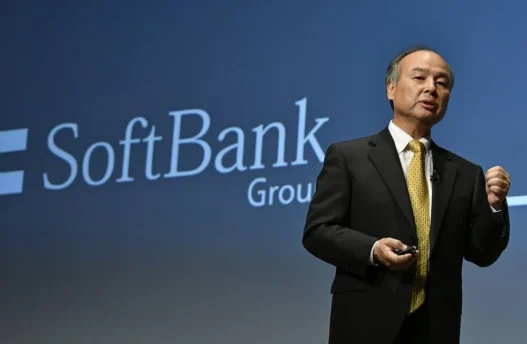
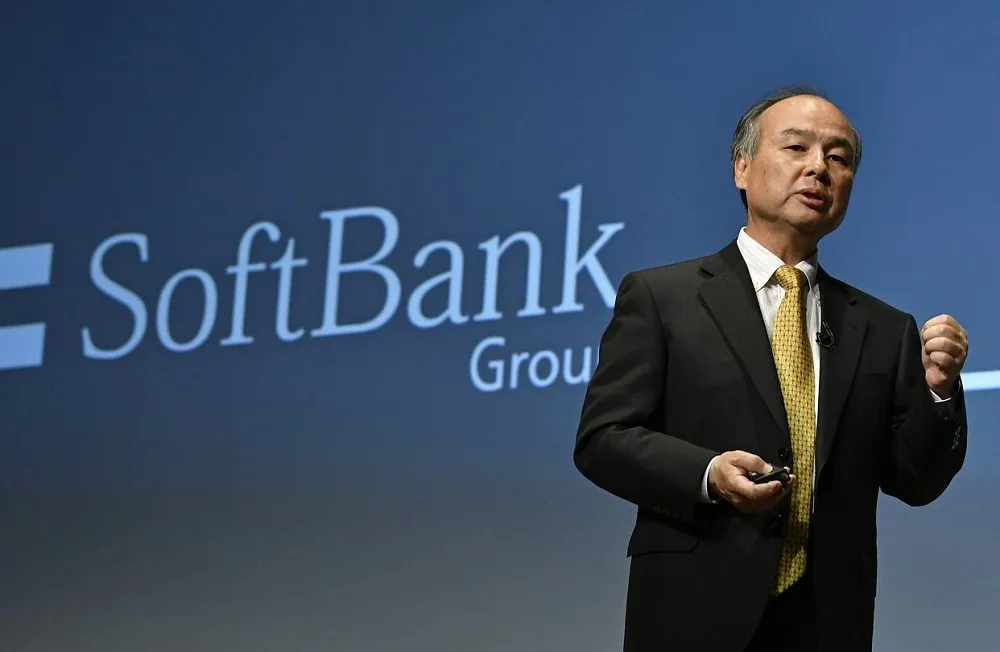
The landscape of artificial intelligence continues its rapid evolution, and at its heart, SoftBank’s strategic maneuvers are consistently drawing attention. The Japanese conglomerate, known for its audacious investments, has placed significant bets on the future of AI, a strategy that is now under close examination by industry observers. As the tech sector navigates increasingly complex economic currents and rapid technological advancements, SoftBank’s approach to nurturing and scaling its AI portfolio becomes a bellwether for many.
Understanding the nuances of SoftBank’s investment philosophy requires a look at its historical appetite for disruptive technologies. The company has often favored high-risk, high-reward ventures, a pattern evident in its early and substantial backing of various internet and mobile technology firms. This same adventurous spirit now defines its engagement with artificial intelligence, a field ripe with both immense potential and considerable uncertainty. The firm’s willingness to commit significant capital to nascent AI companies reflects a conviction that these technologies will fundamentally reshape industries globally.
The specifics of these investments, however, often remain cloaked in the competitive secrecy of venture capital. While the broader strategy is clear – to identify and fund the next generation of AI powerhouses – the execution involves a delicate balance of due diligence, market timing, and an eye for visionary leadership. The challenge lies not just in identifying promising startups, but in providing the sustained support necessary for their growth, particularly in a sector where technological breakthroughs can quickly render existing solutions obsolete.
Observers are particularly keen to see how SoftBank’s diverse portfolio of AI companies will coalesce, if at all, into a synergistic ecosystem. The hope is that these individual investments will not merely operate in isolation but will somehow contribute to a larger, interconnected network of AI capabilities. This holistic vision, if realized, could amplify the impact of each investment, creating a formidable presence across various AI applications, from machine learning to robotics and beyond.
The current economic climate adds another layer of complexity to SoftBank’s ambitions. Global interest rates, inflation pressures, and geopolitical tensions all influence the availability of capital and the valuation of tech companies. These macroeconomic factors inevitably impact investment decisions, potentially leading to more cautious approaches or, conversely, opportunities for strategic acquisitions at more favorable terms. Navigating these external pressures while maintaining a long-term vision for AI dominance is a crucial test for the conglomerate.
Ultimately, the trajectory of SoftBank’s AI investments will serve as a significant case study in the broader narrative of technological innovation. The outcomes of these ventures will not only shape the company’s financial future but will also offer insights into the practical challenges and immense rewards associated with betting big on artificial intelligence. The industry continues to watch closely, anticipating the next moves from a company that has consistently aimed to redefine the boundaries of what is possible in technology.