







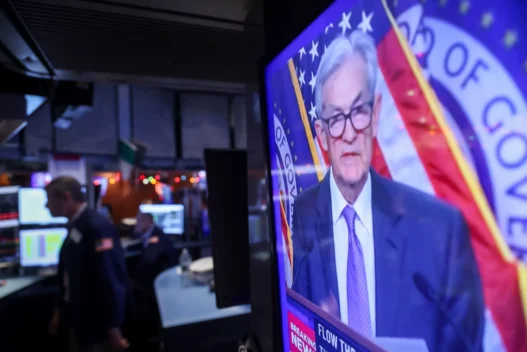
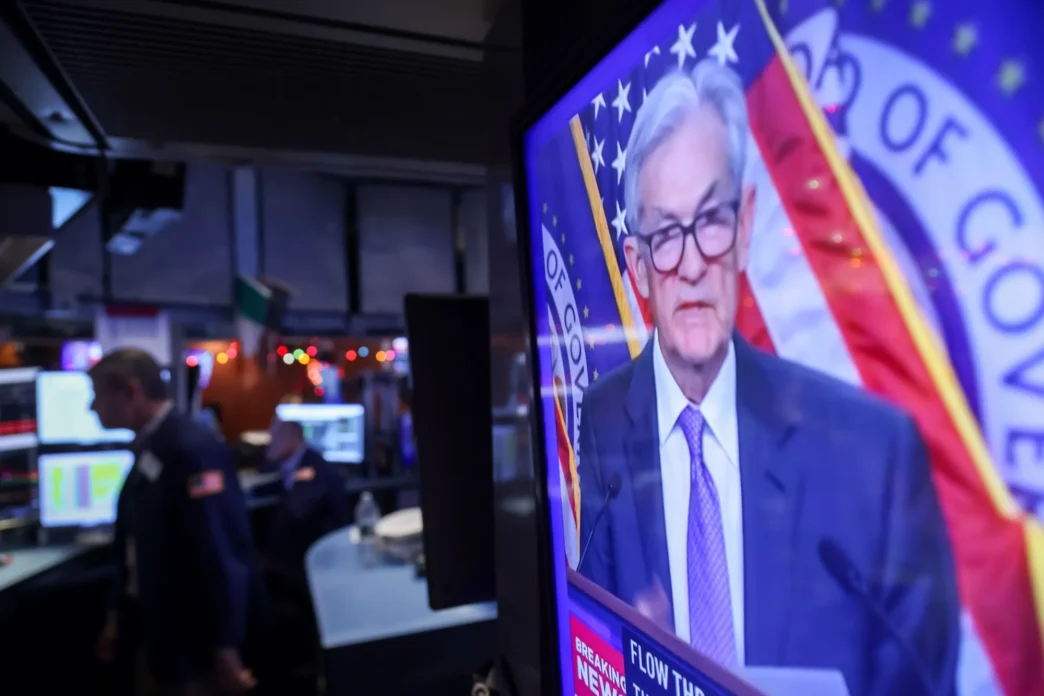
Financial markets are currently pricing in a notable 50% probability of the Federal Reserve implementing a third interest rate cut by 2026, a sentiment largely driven by persistent signals of moderating inflation. This assessment, derived from an analysis of futures contracts, suggests a growing consensus among traders that the central bank will continue its easing cycle, albeit at a measured pace, as economic conditions evolve. The implied odds underscore a cautious optimism regarding the trajectory of price stability and its potential influence on monetary policy decisions in the coming years.
The nuanced outlook reflects a complex interplay of economic indicators, with particular emphasis on the Consumer Price Index (CPI) and the Personal Consumption Expenditures (PCE) price index, the Fed’s preferred inflation gauge. Recent data releases have shown a gradual deceleration in the pace of price increases across various sectors, leading some market participants to anticipate a more accommodative stance from policymakers. This deceleration, if sustained, could provide the necessary latitude for the Federal Open Market Committee (FOMC) to further adjust borrowing costs downwards, aiming to support economic growth without reigniting inflationary pressures.
While the 50% probability indicates a significant possibility, it also highlights the inherent uncertainty that continues to characterize the economic landscape. Factors such as geopolitical developments, supply chain resilience, and the robustness of consumer demand could all influence the actual path of inflation and, consequently, the Fed’s actions. Analysts are closely monitoring labor market data, including unemployment rates and wage growth, as these metrics often serve as leading indicators for future inflationary trends. A tight labor market, for instance, could exert upward pressure on wages, potentially complicating the Fed’s efforts to return inflation to its long-term target of 2%.
The Federal Reserve itself has maintained a data-dependent approach, repeatedly emphasizing that future policy decisions will be guided by incoming economic information. Statements from various Fed officials have consistently reiterated the commitment to achieving both maximum employment and price stability. This measured communication strategy aims to manage market expectations and provide flexibility in responding to unforeseen economic shifts. The anticipation of a potential third rate cut by 2026, therefore, is not a certainty but rather a reflection of current market interpretations of the Fed’s likely reaction function in an environment of receding inflationary pressures.
Investors and businesses alike are closely watching these developments, as interest rate adjustments have profound implications for borrowing costs, investment decisions, and overall economic activity. A continued easing cycle could stimulate lending and encourage capital expenditure, potentially boosting economic expansion. Conversely, any unexpected resurgence in inflation could prompt the Fed to re-evaluate its trajectory, leading to a more hawkish stance than currently anticipated. The coming months will undoubtedly offer further clarity on these dynamics, as the interplay between economic data and central bank policy continues to shape the financial outlook.