





The global technology sector has reached a critical juncture where the promise of artificial intelligence must finally translate into tangible corporate profits. For the past two years, the narrative surrounding generative AI has been one of unbridled optimism and skyrocketing valuations. However, as quarterly earnings reports begin to filter through major financial hubs, investors are shifting their focus from potential capabilities to actual revenue generation. The era of speculative enthusiasm is rapidly giving way to a period of rigorous fiscal scrutiny.
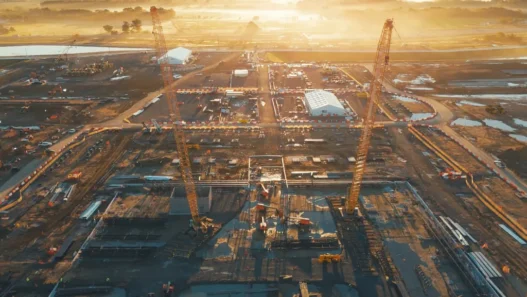
Major players in the semiconductor and cloud computing industries have seen their market caps swell to unprecedented levels, driven by the belief that AI will revolutionize every facet of the global economy. Companies like Nvidia, Microsoft, and Alphabet have poured billions into infrastructure, securing the high-end chips and data center capacity required to power complex large language models. While these investments were initially cheered by the market, the sheer scale of the capital expenditure is now raising eyebrows among more conservative institutional investors who worry about the timeline for a return on investment.
Technological history is littered with examples of transformative innovations that experienced a similar hype cycle. From the early days of the internet to the development of mobile telecommunications, there is often a significant gap between the technical breakthrough and the creation of a sustainable business model. The current challenge for the AI industry is proving that its products are more than just impressive novelties or productivity tools for niche developers. To justify current stock prices, these companies must demonstrate that AI can drive significant top-line growth across traditional sectors like healthcare, manufacturing, and finance.
One of the primary concerns currently haunting the halls of Silicon Valley is the high cost of inference. While training a model is a massive upfront expense, running that model for millions of users requires constant, expensive computational power. If software providers cannot find a way to monetize these services effectively through subscription models or efficiency gains, the margins that tech giants have enjoyed for decades could be at risk. This economic reality is forcing many startups to pivot away from general-purpose assistants toward specialized, vertical AI solutions that solve specific, high-value problems for corporate clients.
Furthermore, the regulatory landscape is beginning to catch up with the pace of innovation. As governments in the United States and Europe move to implement guardrails around data privacy and algorithmic bias, the cost of compliance will inevitably rise. A more regulated environment might favor established incumbents with deep pockets, but it could also stifle the rapid experimentation that characterized the early months of the AI boom. The industry must now navigate these legal hurdles while simultaneously attempting to scale its technology in a competitive global market.
The coming months will likely separate the true innovators from those merely riding the wave of market sentiment. We are seeing a transition from the ‘build it and they will come’ phase to a more mature era of enterprise integration. For the industry to maintain its momentum, it needs to showcase success stories where AI has led to measurable cost savings or the creation of entirely new revenue streams. Failure to do so could lead to a significant cooling of the market and a reassessment of the technology’s near-term impact.
Ultimately, the sustainability of the AI revolution depends on its ability to move beyond the experimental phase and become an essential component of the corporate toolkit. The infrastructure is largely in place, the models are becoming increasingly sophisticated, and the talent pool is expanding. Now, the burden of proof lies with the executives and engineers to show that this technological leap is as economically viable as it is scientifically impressive. The world is watching, and the stakes for the global economy have never been higher.