

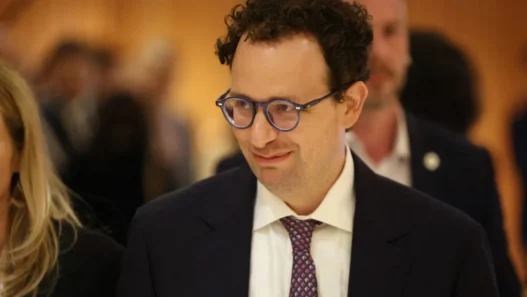






The political landscape of Minneapolis is currently experiencing a significant shift as Will Stancil, a prominent civil rights attorney and researcher, intensifies his efforts to challenge the status quo of local governance. Known for his vocal presence on social media and his deep academic background in urban policy, Stancil has become a central figure in a growing movement that seeks to reconcile the city’s progressive reputation with its lingering systemic inequalities. His recent activities have sparked a heated dialogue among residents, policymakers, and activists alike, raising fundamental questions about how the city should evolve in the coming decade.
Stancil’s approach is characterized by a blend of rigorous data analysis and provocative public discourse. By highlighting the disparities in housing, education, and economic opportunity that persist across various Minneapolis neighborhoods, he has effectively forced a conversation that many in the political establishment have been reluctant to lead. His critics often argue that his methods are unnecessarily confrontational, suggesting that his rhetoric risks deepening divisions within the community. However, his supporters view him as a necessary catalyst for change, providing a voice for those who feel sidelined by traditional political processes.
At the heart of the debate is the concept of urban revitalization and who it truly benefits. Stancil has frequently pointed to the historical context of redlining and exclusionary zoning as the root causes of contemporary struggles in the Twin Cities. He argues that without radical transparency and a willingness to confront these historical injustices, any new development projects will only serve to reinforce existing power structures. This perspective has resonated particularly well with younger voters and housing advocates who are frustrated by the rising cost of living and the slow pace of meaningful reform.
Local officials find themselves in a delicate position as they navigate the pressure generated by Stancil’s advocacy. On one hand, there is a clear appetite for the kind of bold policy shifts he champions, such as more aggressive fair housing enforcement and integrated school districts. On the other hand, the practicalities of governance often require compromise and incrementalism, which can seem at odds with the urgent tone of Stancil’s messaging. The tension between these two schools of thought is currently playing out in city council chambers and community meetings throughout the region.
Furthermore, Stancil’s influence extends beyond policy discussions into the realm of political strategy. His ability to mobilize online communities has turned local issues into regional and even national points of interest. This digital footprint allows him to bypass traditional media gatekeepers, ensuring that his critiques of Minneapolis urban planning reach a wide and diverse audience. As the city looks toward upcoming election cycles, the ‘Stancil effect’ may become a deciding factor in which candidates gain traction and which platforms are prioritized.
Ultimately, the agitation led by Stancil serves as a mirror for Minneapolis itself. It reflects a city that is proud of its history of social activism but also one that is grappling with the difficult reality of its internal contradictions. Whether one agrees with his specific proposals or his blunt communication style, it is undeniable that he has succeeded in shifting the Overton window in local politics. The questions he raises about equity and the future of Minneapolis neighborhoods are no longer on the periphery; they are now at the very center of the municipal agenda.