





The dream of returning humans to the lunar surface has encountered a significant roadblock as NASA officially announced a delay in its ambitious Artemis program schedule. The space agency has pushed back the timeline for its upcoming crewed missions, citing the need for additional development time and rigorous safety testing for the complex systems required to sustain human life beyond low Earth orbit. This decision marks a pivotal moment for the United States as it navigates a competitive international landscape and the technical intricacies of deep space exploration.
NASA Administrator Bill Nelson confirmed that the Artemis III mission, which aims to land the first woman and the first person of color on the Moon, is now slated for 2026 rather than the original 2025 target. Additionally, the Artemis II mission, which will carry a crew around the Moon without landing, has been moved from late 2024 to September 2025. These adjustments reflect the immense pressure on the agency to ensure that every component, from the Orion spacecraft to the massive Space Launch System rocket, operates flawlessly before putting astronauts at risk.
One of the primary drivers behind the schedule shift involves the heat shield on the Orion capsule. During the uncrewed Artemis I mission, engineers observed unexpected charring and erosion patterns that differed from computer simulations. Understanding why the protective material behaved this way during atmospheric reentry is critical, as any failure in this area would be catastrophic for a returning crew. NASA officials emphasized that they will not proceed with crewed flights until the root cause is fully understood and mitigated through design adjustments or further testing.
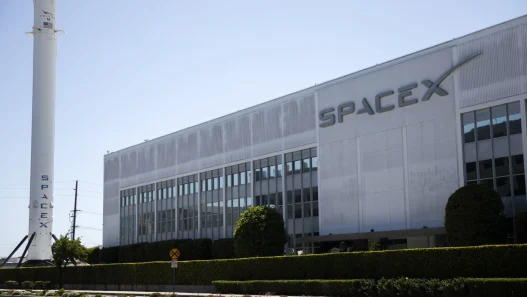
Beyond the capsule itself, the development of the human landing system remains a complex variable. NASA has partnered with private industry leaders, including SpaceX, to create the vehicles necessary to ferry astronauts from lunar orbit to the surface. Developing a reliable landing craft requires unprecedented engineering feats, including orbital refueling and autonomous navigation in the rugged lunar south pole environment. By extending the timeline, NASA provides its commercial partners with the breathing room necessary to conduct high-stakes test flights and refine their technology.
Budgetary constraints and supply chain disruptions have also played a role in the revised timeline. The Artemis program represents one of the most expensive and logistically demanding endeavors in the history of the agency. Coordinating a global network of suppliers and maintaining consistent funding from Congress requires a delicate balance of political advocacy and demonstrated progress. While the delay may frustrate those eager for a swift return to the Moon, agency leaders argue that a methodical approach is the only way to build a sustainable long-term presence on the lunar surface.
This strategic pause also allows NASA to better prepare for the long-term goal of the Artemis program, which is using the Moon as a stepping stone for eventual human missions to Mars. The technologies being vetted today, such as advanced life support systems and lunar habitats, will serve as the foundation for deep space travel for decades to come. Hurrying the process now could lead to setbacks that might jeopardize the entire future of American space exploration.
As the aerospace community reacts to the news, the focus remains on the ultimate prize. The lunar south pole is believed to contain vast reserves of water ice, a resource that could be converted into oxygen and rocket fuel. Securing access to these resources is a priority not just for scientific discovery, but for international strategic positioning. Despite the new dates on the calendar, the momentum behind Artemis continues to grow, fueled by a commitment to safety and the unwavering pursuit of the next great frontier.