







Japan has unveiled a substantial financial initiative, committing approximately $10 billion to assist other Asian nations in securing vital energy resources and building up their strategic stockpiles. This move comes as heightened geopolitical tensions in the Middle East continue to drive up global energy prices and disrupt established supply chains, creating ripple effects across interdependent economies. The support package, announced by Prime Minister Sanae Takaichi, aims to mitigate these pressures and safeguard regional stability, recognizing the deep interconnections within Asian supply chains.
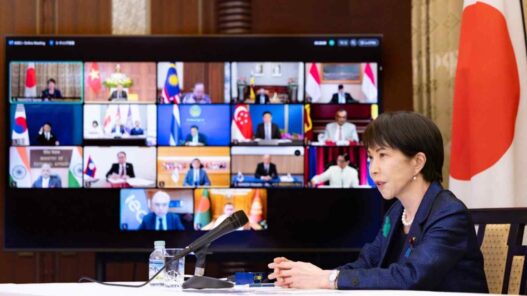
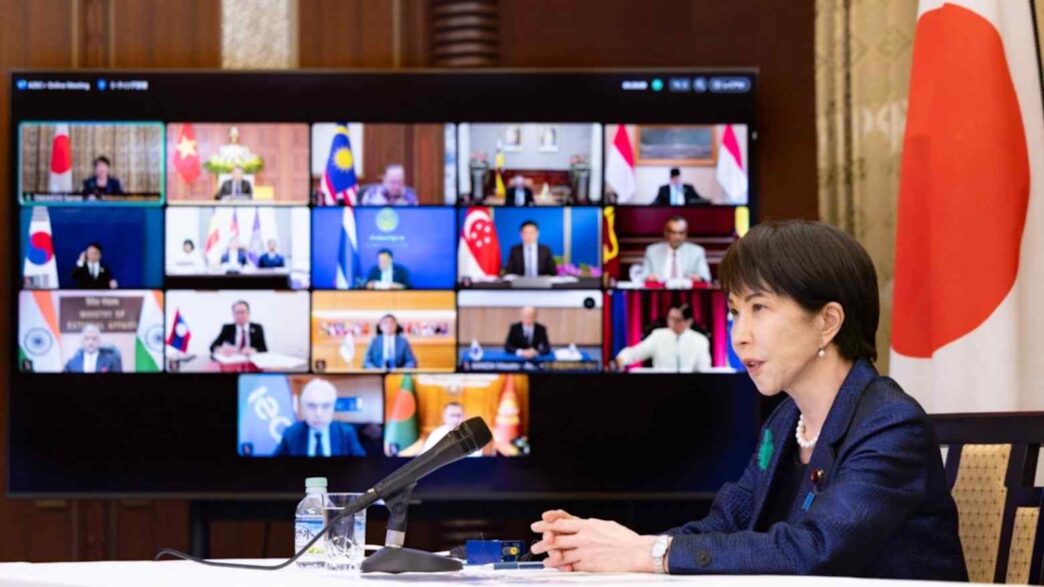
Prime Minister Takaichi, speaking after a gathering of the “AZEC Plus” under the Japan-led Asia Zero-Emission Community (AZEC) initiative, highlighted the scale of this commitment. She noted that the financial aid is equivalent to roughly 1.2 billion barrels of oil, a figure that represents approximately one year’s worth of crude oil imports for the Association of Southeast Asian Nations (ASEAN). Leaders from several key regional players, including the Philippines, Malaysia, Singapore, Thailand, and Vietnam, were present at the meeting, underscoring the collaborative nature of this effort.
The framework for this financial assistance will primarily utilize state-backed institutions, such as the Japan Bank for International Cooperation (JBIC) and Nippon Export and Investment Insurance (NEXI). These entities will facilitate various forms of support, including credit provisions designed to enable local companies in partner nations to procure alternative energy sources. Notably, this includes avenues for acquiring resources like U.S. crude oil, thereby diversifying their energy portfolios away from potentially volatile regions. The plan also encompasses financing and loans for companies and governments that are integral to Japan’s own extensive supply chain, reinforcing mutual economic resilience.
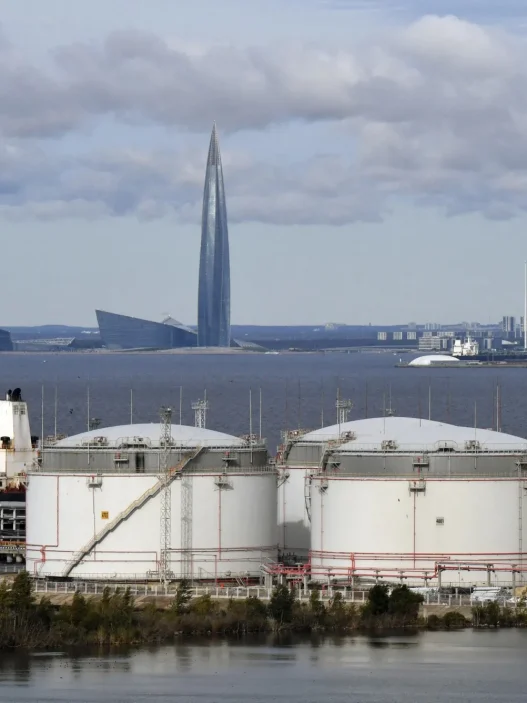
A significant component of this initiative involves strengthening energy infrastructure and reserves in recipient countries. This includes financial backing for projects aimed at constructing storage tanks, which will help diversify energy sources and augment national stockpiles. Southeast Asian countries, in particular, often maintain smaller oil reserves compared to Japan, leaving them more vulnerable to supply disruptions. The current environment has seen supplies of crude and petroleum products, including naphtha—a critical feedstock for plastics—become increasingly strained. This scarcity has fueled anxieties among Japanese healthcare providers, who rely heavily on Asian manufacturing for essential items such as medical containers, tubes, and gloves.
The reliance on a stable energy flow through critical chokepoints like the Strait of Hormuz is a shared concern, with approximately 90% of crude oil passing through it destined for Asia, according to Japan’s Agency for Natural Resources and Energy. While Tokyo has indicated it possesses roughly four months’ worth of naphtha for domestic use, a growing number of manufacturers have reported disruptions to deliveries in recent days. In response to the broader energy landscape, the Japanese government also announced plans to release an additional 36 million barrels from its national oil reserves starting in early May.
Prime Minister Takaichi, when asked whether partner countries had requested access to Japan’s oil reserves during the AZEC Plus meeting, refrained from direct comment. However, she emphasized unequivocally that the newly established agreement did not involve any release from Japan’s existing stockpiles and would not impact its domestic supply. This clarification underscores the distinct nature of the financial support package, positioning it as a proactive measure to enhance regional energy security without drawing down Japan’s own critical reserves.