




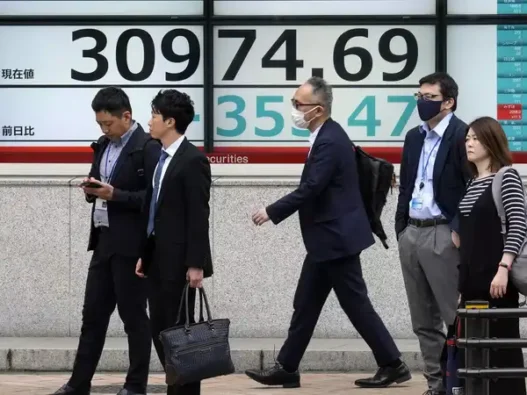
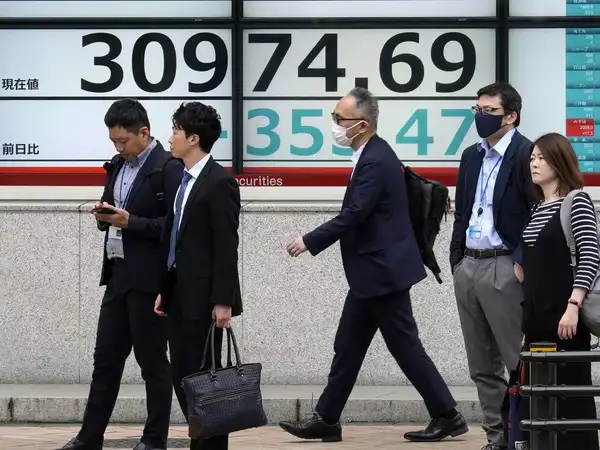
The tremors from an escalating conflict involving Iran have reverberated through global stock markets, pushing indices downward across continents. What began as localized tensions has quickly metastasized into a broader concern for investors, with the ripple effect particularly pronounced in the crucial Asia Trade sector as Friday, March 23, 2026, drew to a close. Major exchanges from Tokyo to Mumbai registered significant declines, reflecting a collective anxiety over energy supplies, shipping routes, and the potential for a wider economic disruption.
Analysts point to an immediate flight to safety, with traditional havens like gold and government bonds seeing increased demand, while equities bore the brunt of the selloff. The price of crude oil, an obvious bellwether in such geopolitical climates, surged dramatically, fueling fears of inflationary pressures that central banks globally have struggled to contain for months. This sudden spike adds another layer of complexity to an already delicate economic landscape, potentially forcing difficult decisions on monetary policy in the weeks ahead.
Shipping insurers have reportedly begun reassessing premiums for vessels transiting key waterways in the region, a move that could translate into higher costs for consumers and businesses alike. Supply chains, still recovering from previous disruptions, now face the prospect of further strain, especially for industries reliant on timely delivery of raw materials and finished goods. The interconnectedness of modern commerce means that even a geographically contained conflict can quickly have global implications, touching everything from semiconductor production to the cost of consumer electronics.
Governments and international bodies are closely monitoring the situation, with diplomatic efforts reportedly underway to de-escalate the conflict. However, the market’s reaction suggests a deep-seated apprehension that these efforts may not yield immediate results. Companies with significant exposure to the region, particularly those in the energy, logistics, and manufacturing sectors, are likely to face increased scrutiny from investors seeking clarity on their operational resilience and contingency plans. The coming days will be critical in determining whether this market downturn represents a temporary correction or the beginning of a more sustained period of volatility.
The Asia Trade, a linchpin of global commerce, finds itself at a particularly vulnerable juncture. Many economies in the region are net importers of energy, making them susceptible to price shocks. Furthermore, the intricate web of trade agreements and supply routes that define the region’s economic prowess could be jeopardized by prolonged instability. Businesses that had cautiously begun to plan for a post-pandemic recovery now confront a new, formidable challenge, forcing a re-evaluation of growth forecasts and investment strategies. The focus for many will shift from expansion to risk mitigation, a stark reminder of how quickly global events can reshape economic priorities.