




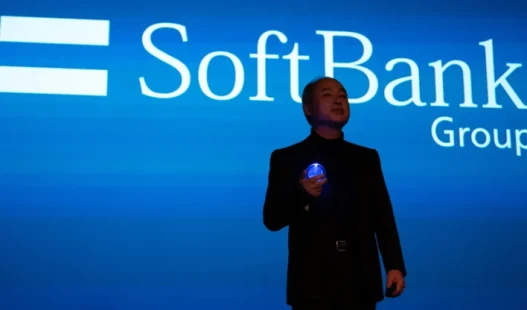
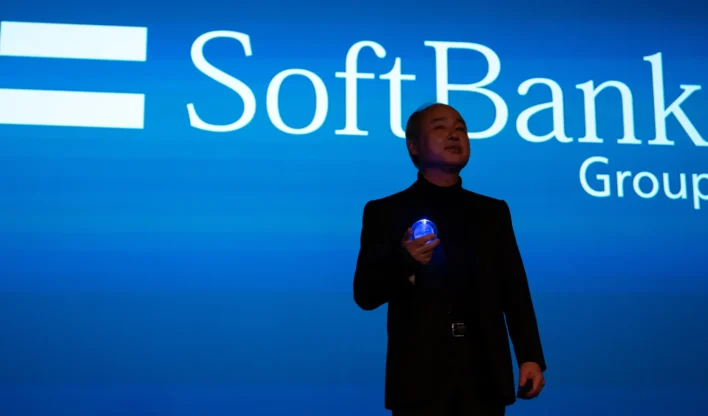
A significant shift in energy storage technology appears to be underway, driven by the increasing demands of artificial intelligence infrastructure. Japanese conglomerate SoftBank Group, in collaboration with South Korean startup Cosmos Lab, is embarking on a venture to produce advanced batteries that circumvent the reliance on expensive and sometimes ethically fraught materials like lithium and cobalt. This initiative is slated to unfold at a former Sharp LCD manufacturing facility located near Osaka, marking a strategic repurposing of industrial land.
The ambition behind this partnership extends beyond mere cost reduction. As data centers proliferate and expand to handle the immense computational needs of AI, the energy requirements are escalating dramatically. Traditional battery chemistries, while effective, come with supply chain vulnerabilities and environmental considerations tied to their core components. By developing alternatives, SoftBank and Cosmos Lab are positioning themselves to address a critical bottleneck in the future of digital infrastructure. The focus on next-generation power cells suggests an exploration into chemistries that offer both performance and sustainability advantages over current market standards.
The decision to locate production at a former electronics plant near Osaka is notable. It signals a move towards revitalizing existing industrial spaces for new technological pursuits, potentially leveraging existing infrastructure or skilled labor pools. The shift from LCD panel manufacturing to advanced battery production illustrates the dynamic nature of technological cycles and the continuous search for new economic drivers within established industrial regions. This geographical choice also situates the venture within Japan, a nation with a strong history of innovation in electronics and automotive sectors.
The broader implications of this development resonate across several industries. A successful transition to batteries free of lithium and cobalt could stabilize energy costs for large-scale data operations, reducing their exposure to the volatile commodity markets for these metals. Furthermore, it could alleviate some environmental concerns associated with the mining and processing of these materials, offering a more sustainable pathway for the burgeoning AI economy. This strategic pivot by SoftBank underscores a recognition that the foundational elements of AI — specifically, the power infrastructure — need to evolve in parallel with the algorithms and hardware they support.
This collaborative effort between a global investment giant like SoftBank and an emerging startup such as Cosmos Lab highlights a growing trend in technology development: established players are increasingly partnering with agile, specialized firms to innovate in critical areas. Cosmos Lab’s expertise in novel battery chemistries is likely the lynchpin of this joint venture, providing the scientific and engineering know-how required to bring these next-generation power cells to fruition. The scale of SoftBank’s investment and its vision for AI infrastructure suggest that this is not a peripheral experiment but a central component of its long-term strategy, reflecting a proactive approach to securing the energy future for its technological ambitions.