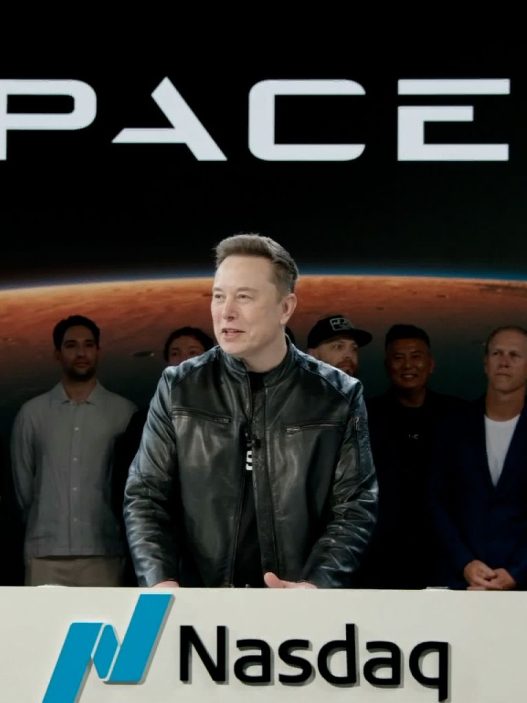


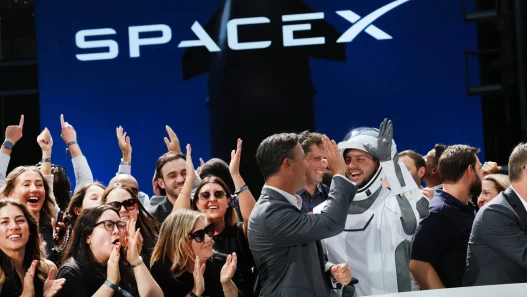




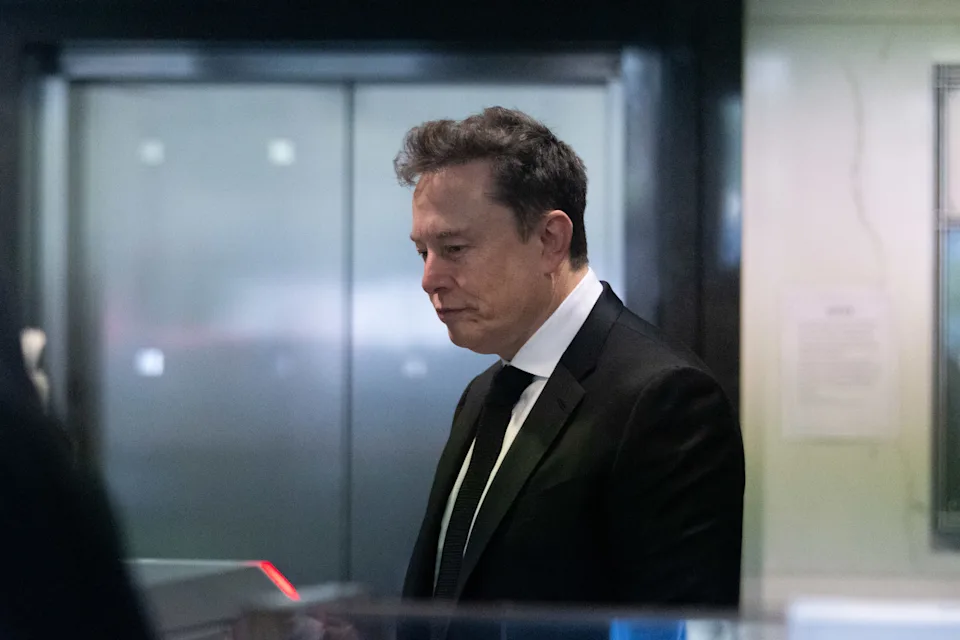
Elon Musk, the chief executive of SpaceX, has affirmed his intention to hold onto his shares in the aerospace company, a declaration made as anticipation builds around a potential initial public offering (IPO) for the closely-watched venture. This statement offers a glimpse into the internal discussions and strategic considerations at play within one of the world’s most valuable private companies, particularly as it continues to expand its Starlink internet constellation and pursue ambitious lunar and Martian exploration programs. The move suggests a long-term commitment from its founder, even as market observers and potential investors keenly await an opportunity to buy into its future.
The pronouncement by Musk comes at a time when the financial world is closely scrutinizing the valuations of private technology and aerospace firms. SpaceX, through its various endeavors including satellite launches, human spaceflight, and the development of its Starship vehicle, has consistently pushed the boundaries of what is technologically feasible. Its growing revenue streams, particularly from the Starlink satellite internet service, have led many to speculate about the timing and structure of a public market debut. An IPO would inevitably involve a significant liquidity event for early investors and employees, making Musk’s personal stance a notable data point for the market.
While a precise timeline for a SpaceX IPO remains undisclosed, Musk has previously indicated that a public offering for Starlink, a division of SpaceX, could occur once its revenue becomes more predictable. This strategic unbundling, or a separate listing of a high-growth segment, is a common tactic used by diversified companies to unlock value. However, his recent comments suggest that his personal financial stake will remain tied to the broader SpaceX enterprise, encompassing its launch services and advanced development projects, rather than solely its internet division. This commitment could be interpreted as a signal of confidence in the entirety of the company’s long-term vision and its diverse portfolio of projects.
The financial implications of such a decision are substantial, both for Musk personally and for the future trajectory of SpaceX. By retaining his shares, Musk signals to the market that he believes the company’s valuation still has significant room for growth that would not be fully captured by an immediate sale. This approach contrasts with some founders who might seek to diversify their personal wealth through a partial sale during an IPO. His decision underscores a belief in the compounding value of his holdings, aligning his personal financial interests directly with the continued success and expansion of SpaceX’s operations.
Industry analysts are now considering how this declaration might influence potential investors and the overall market sentiment leading up to an eventual IPO. A founder’s unwavering commitment can often be a powerful signal of confidence, potentially attracting a robust investor base. Conversely, some might view it as a missed opportunity for Musk to realize significant gains, though his history with other ventures like Tesla suggests a pattern of maintaining substantial ownership stakes over extended periods. The aerospace sector, in particular, often requires substantial long-term capital investments, making a stable and committed leadership a crucial factor for stakeholders.
Ultimately, Musk’s decision to hold his SpaceX shares adds another layer to the complex narrative surrounding the company’s future. It reinforces the image of a founder deeply invested in his creation’s destiny, rather than merely its financial exit. As SpaceX continues its ambitious journey from Earth orbit to Mars, this commitment from its leader will undoubtedly be a point of discussion among investors, competitors, and the public alike, shaping perceptions of its stability and its long-term potential in the burgeoning space economy.