







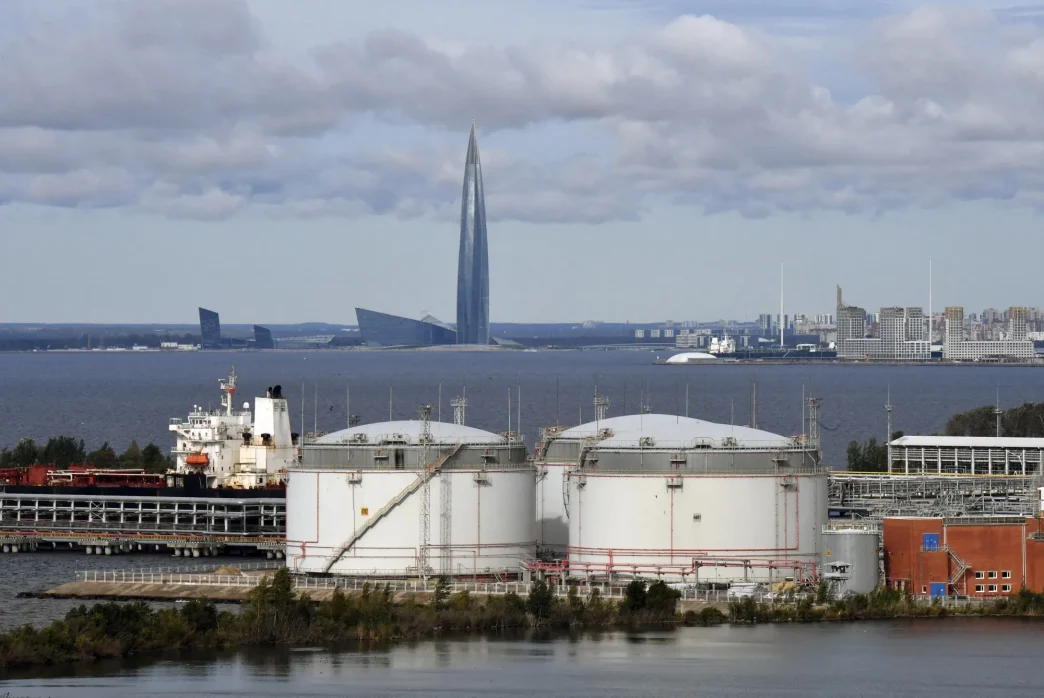
The price advantage for Russian crude oil, already significant for buyers, has expanded to its widest point since the Iran-Iraq War, a conflict that reshaped global energy markets decades ago. This widening gap between Russian Urals blend and international benchmarks like Brent crude signals a complex interplay of geopolitical pressures, evolving trade routes, and the persistent demand for discounted commodities in a volatile economic landscape. For nations continuing to import Russian oil, the financial incentives are becoming increasingly pronounced, raising questions about the long-term implications for global energy pricing and supply dynamics.
The immediate cause of this amplified discount stems from a combination of factors, including the ongoing Western sanctions regime and the inherent logistical challenges of rerouting vast quantities of oil from traditional European markets to new buyers in Asia. While the G7 price cap mechanism aimed to limit Russia’s revenues, it has also inadvertently created a bifurcated market where non-compliant buyers can negotiate more favorable terms. Shipping insurance and financing for Russian cargoes often come with additional premiums and complexities, further pushing down the net price received by Russian producers to account for these added risks and costs borne by buyers. This intricate dance of risk and reward defines the current trading environment for one of the world’s largest oil exporters.
India and China, emerging as primary destinations for this redirected crude, are capitalizing on the favorable pricing. Refiners in these nations have ramped up their intake of Russian oil, often processing it into refined products that then find their way onto international markets, sometimes even to countries that originally sanctioned Russian crude. This arbitrage opportunity allows these refining hubs to boost their domestic energy security while also benefiting from the margins on exported fuels. The substantial discounts effectively subsidize their energy inputs, providing an economic boon during a period of global inflationary pressures and uncertain economic growth.
The historical parallel to the Iran-Iraq War is particularly salient. During that conflict, disruptions to Persian Gulf shipping and production created a similar environment of market uncertainty and shifting trade patterns. While the current situation is driven by geopolitical sanctions rather than direct military conflict affecting production, the outcome – a significant price divergence for a major producer’s oil – bears a striking resemblance. Such periods often lead to the entrenchment of new trade relationships and infrastructure, which can persist long after the initial catalysts fade, fundamentally altering global energy flows for decades.
This sustained discount also poses a challenge to the cohesion of the international sanctions regime. As long as a significant portion of the global market is willing and able to purchase Russian oil at reduced rates, the overall effectiveness of the price cap in curbing Russia’s energy revenues remains a subject of debate. The financial benefits for buyers create a powerful incentive to navigate or circumvent sanctions, highlighting the inherent difficulties in enforcing broad economic restrictions on a major commodity producer with diverse global customer bases. The situation underscores how economic imperatives can often find ways to adapt and reroute around political obstacles, shaping new realities in the global marketplace.
Looking ahead, the trajectory of these discounts will likely depend on several evolving factors, including the stability of new trade routes, the development of alternative shipping and insurance providers, and the long-term demand growth in Asian markets. Should global oil demand soften, or if alternative supplies become more readily available, the pressure on Russian crude prices could intensify further. Conversely, any supply disruptions elsewhere could inadvertently strengthen Russia’s position, even with the discounts, by making its volumes indispensable to certain markets. The global energy landscape continues its dramatic reconfiguration, with Russian oil discounts serving as a key indicator of these profound shifts.