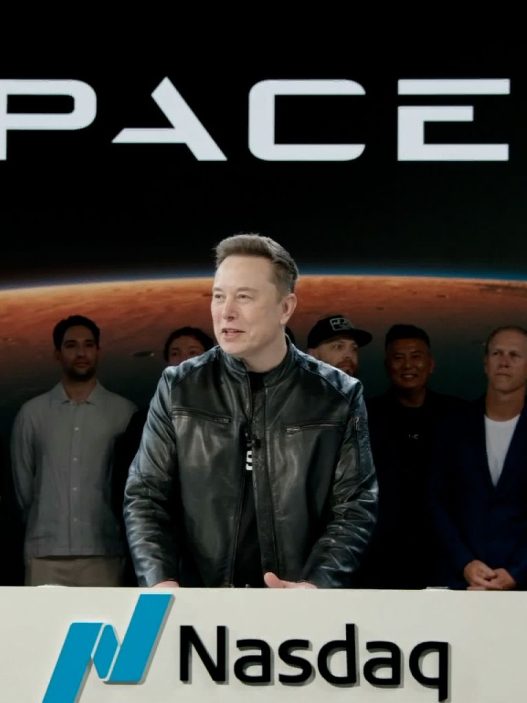










A pivotal legal battle in the artificial intelligence sector concluded abruptly this week, as a jury dismissed Elon Musk’s lawsuit against OpenAI and its CEO, Sam Altman. After merely two hours of deliberation and three weeks of testimony, the nine-person jury found that Musk had failed to file his complaint within the three-year statute of limitations. This procedural ruling meant the court did not evaluate the merits of Musk’s core allegation: that OpenAI had deviated from its original nonprofit mission by transitioning to a for-profit structure. As a result, claims of breach of charitable trust and unjust enrichment against Altman and OpenAI were dismissed as untimely.
Musk’s legal team indicated a potential appeal, though the presiding judge suggested such an effort might face significant hurdles given the factual nature of the statute of limitations determination. The swift, unanimous verdict marks a significant moment following a high-profile and often acrimonious courtroom contest between two of the technology industry’s most influential figures. For OpenAI, this outcome could clear a path forward, potentially including an anticipated initial public stock offering, without the immediate cloud of this particular legal challenge.
The genesis of this dispute traces back to 2015, when Musk played a role in co-founding OpenAI. He later departed the board three years later. His lawsuit, filed in 2024, sought $150 billion in damages, intended for redirection to a charitable trust, alongside a demand for the unwinding of OpenAI’s current for-profit corporate structure. Microsoft, an early investor in OpenAI since 2019, was also named as a defendant in the suit, with claims against the tech giant similarly dismissed by the court.
Meanwhile, the broader AI landscape continues its rapid evolution, underscored by significant investments and strategic partnerships. Google and Blackstone have announced a new joint venture aimed at leveraging Google’s proprietary silicon. This unnamed collaboration will launch with $5 billion in equity capital from Blackstone, targeting 500 megawatts of capacity by 2027. Benjamin Treynor Sloss, a Google executive with 22 years of tenure, will lead this new entity as CEO. This initiative represents Google’s most substantial effort yet to commercialize its in-house chips, potentially intensifying competition with established chipmakers like Nvidia, who currently supply high-performance AI chips to Google and other tech giants. Companies such as Meta, Anthropic, and OpenAI already utilize Google’s custom Tensor Processing Units (TPUs) for their cloud computing needs.
The underlying dynamic driving these developments is the stark imbalance between the supply of AI computing resources and the soaring demand. As virtually every major corporation seeks to integrate artificial intelligence, the need for robust infrastructure is reaching unprecedented levels. Blackstone, a private equity firm, has strategically capitalized on this trend, building what it claims is the world’s largest portfolio of data center operators. The firm has also made targeted investments in emerging AI leaders, including Anthropic and OpenAI, alongside CoreWeave, a notable AI cloud provider.
In another corner of the tech market, consumers are grappling with shifting pricing structures for subscription services. Following recent adjustments to Microsoft’s Xbox Game Pass, Sony has also announced price increases for certain PlayStation Plus subscriptions in select regions, citing “ongoing market conditions.” In the United States, for instance, the one-month Essential tier will see a $1 increase to $11, while the three-month Essential subscription will rise by $3 to $28. These increases primarily affect new or lapsed subscribers in most markets. This isn’t Sony’s first price hike this year; in March, the company raised the price of its PlayStation 5 console, attributing the change to “continued pressures in the global economic landscape.” A standard PS5 now retails for $650, a significant jump from its $500 launch price in late 2020. Console pricing is particularly sensitive to factors like tariffs and global memory chip shortages, alongside broader inflationary pressures that have persisted since the COVID-19 pandemic. A recent BCG survey highlights the impact on consumers, with over 75% of gamers indicating that game prices influence their purchasing decisions, even as publishers explore new monetization strategies.