








The skilled trades gap in the United States has reached a critical point, with estimates suggesting a potential annual cost of $1 trillion if left unaddressed. This shortage, exacerbated by an aging workforce nearing retirement and the surging demand for infrastructure to support artificial intelligence, highlights a significant imbalance in the labor market. While many entry-level white-collar positions face increasing pressure from AI automation, a different reality is unfolding in the blue-collar sector, where hands-on expertise remains indispensable.
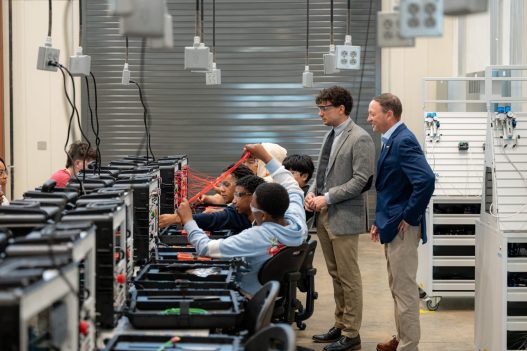
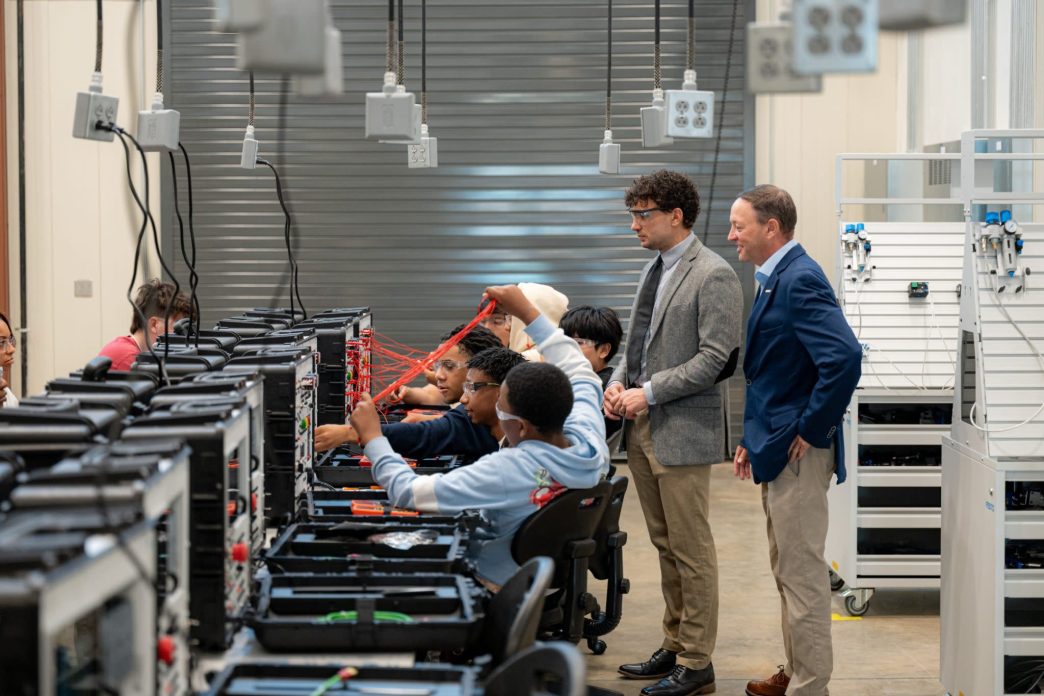
In Huntsville, Alabama, a collaborative effort between the local school system and Toyota Alabama is directly tackling this talent deficit. The Huntsville Center for Technology (HCT), a new $40 million facility, offers high school students industry-standard training designed to prepare them for immediate entry into high-demand fields. This spring, the first cohort of graduates will emerge from programs like “Inditech,” a specialized curriculum developed in partnership with Toyota Alabama, backed by a $1 million investment from the automaker’s charitable endowment. Zac Mcwhorter, HCT’s principal, explained that the Inditech program specifically addresses local employment needs, particularly the demand for industrial maintenance workers at Toyota’s Huntsville facility, one of its largest engine assembly plants in North America.
The broader economic landscape underscores the urgency of such initiatives. Ford CEO Jim Farley has publicly stated that the U.S. faces a deficit of over one million workers in what he terms the “essential economy,” encompassing sectors like manufacturing and construction. This includes a reported shortage of 600,000 factory workers and 500,000 construction workers. Concurrently, projections from the National Association of Manufacturers indicate a need for approximately 1.9 million manufacturing workers by 2033. The rise of data centers, crucial for AI infrastructure, further intensifies the demand for skilled electricians and construction professionals, driving up wages in these areas.
This growing demand translates into tangible financial benefits for those entering the trades. Instructor Jack Crowley at HCT points out that students completing a two-year degree and gaining a few years of experience in industrial maintenance can command salaries exceeding $40 an hour early in their careers. This prospect of high income with minimal student debt presents a compelling alternative to traditional four-year college paths, especially as the market for college-educated white-collar workers becomes increasingly saturated. Sydney Martin, a corporate communications analyst and lead for Toyota Alabama’s Inditech program, observes the transformative effect this financial outlook has on students. She recounts how stories of young team members achieving significant milestones like homeownership and boat purchases resonate deeply, illuminating the potential for early financial independence.
The Huntsville area is also home to other innovative educational models. The Alabama School of Cyber Technology and Engineering (ASCTE), a magnet high school, integrates cyber technology and engineering across its curriculum. Mirroring HCT’s public-private collaboration, ASCTE partners with companies such as Deloitte, Airbus, and Raytheon. Raytheon, a key aerospace and defense conglomerate, was instrumental in piloting the school’s internship program, allowing senior students to engage in real-world projects four days a week. Matt Massey, ASCTE’s executive director, emphasizes that these programs aim to equip students with skills relevant for future jobs, some of which may not yet exist, and to build a talent pipeline crucial for national security, particularly in replenishing critical weapon stockpiles.
These educational models, while not guaranteeing post-graduation employment with partner firms, provide invaluable hands-on experience. They cultivate critical skills such as systems thinking, creativity, and collaboration, preparing students for rapidly evolving industries. The increasing salaries for skilled tradespeople, driven by the intense demand from sectors like data center construction where workers can earn an average of about $81,800 annually, further underscore the economic viability of these career paths. The shift toward valuing practical skills and vocational training represents a significant re-evaluation of educational and career priorities in an economy increasingly shaped by technological advancement and specific labor market needs.