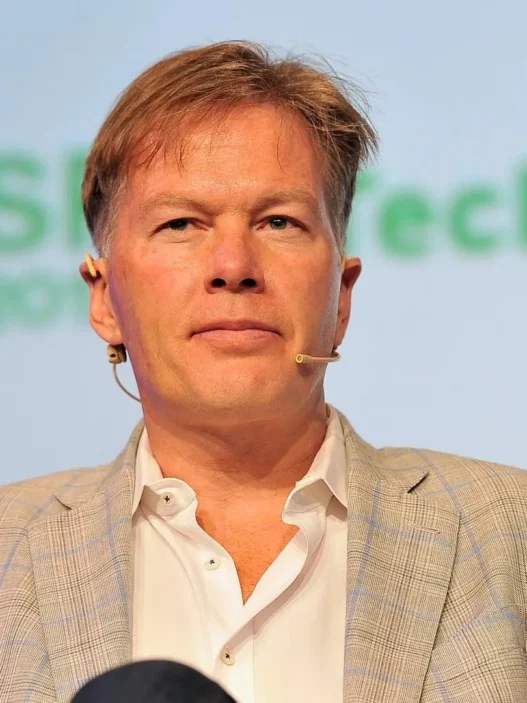

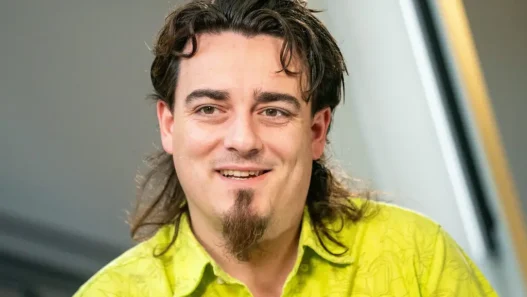






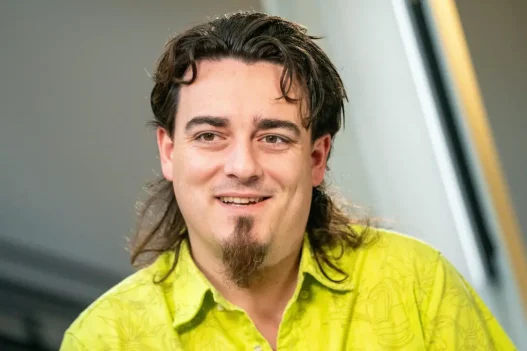
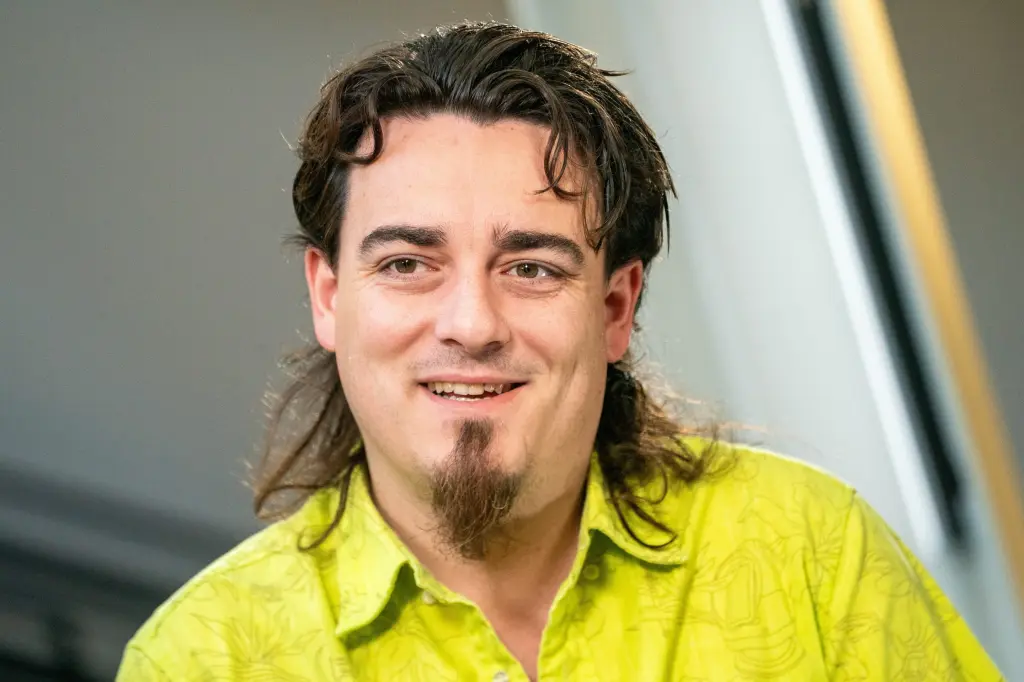
As California’s wealthiest residents race to establish residency in Florida, Nevada and Texas ahead of a proposed billionaire tax, Palmer Luckey, the 34-year-old cofounder of Oculus VR and Anduril Industries, is doing the opposite. I’m not running, he said. I am staying. I think California is something special. I want to fight for California.
The tax driving the exodus is Proposition 40, a one-time 5% levy on residents with assets exceeding $1 billion. Google cofounders Sergey Brin and Larry Page, former Google CEO Eric Schmidt, and Uber cofounder Travis Kalanick are among the high-profile billionaires who have already relocated to avoid the levy, moves that collectively signal a significant wealth migration out of the state ahead of the measure potentially taking effect.
Luckey’s position is more complicated than simple support for the tax. He opposes Proposition 40 on substantive grounds, specifically disagreeing with how the union-backed measure would direct its revenue and raising concerns about its approach to valuing assets. His sharpest objection targets the taxation of illiquid, unsold assets, wealth that exists on paper through stock holdings rather than cash, which he describes bluntly as a seizure of future wealth.
That combination, opposing the specific tax while refusing to leave over it, sets Luckey apart from peers who've treated relocation as the obvious response to unfavorable state tax policy. He's framed his peers' departures as an attempt to demonstrate that there are no consequences to policies like Prop 40, a show of financial leverage meant to pressure California into reconsidering, and he's explicitly declined to participate in that strategy.
His reasoning centers on fixability rather than resignation. Luckey has said he believes California's problems remain solvable, and that billionaires leaving en masse undermines the state's chance to actually solve them, an argument that treats sustained presence and engagement as more useful leverage than departure.
He's not alone in that view. Nvidia CEO Jensen Huang has made a similar choice to remain in California despite the tax exposure, framing it in terms of gratitude rather than obligation: the fact that I can afford to pay $8 billion in taxes over five years is a privilege, he said, a statement that reframes the tax not as a seizure to escape but as a cost proportionate to extraordinary success.
The split between those fleeing and those staying to fight captures a genuine disagreement among California's wealthiest residents about what kind of response actually protects their interests, exit and pressure from outside, or continued presence and advocacy from within a state several of them still describe as central to how they built their fortunes in the first place.