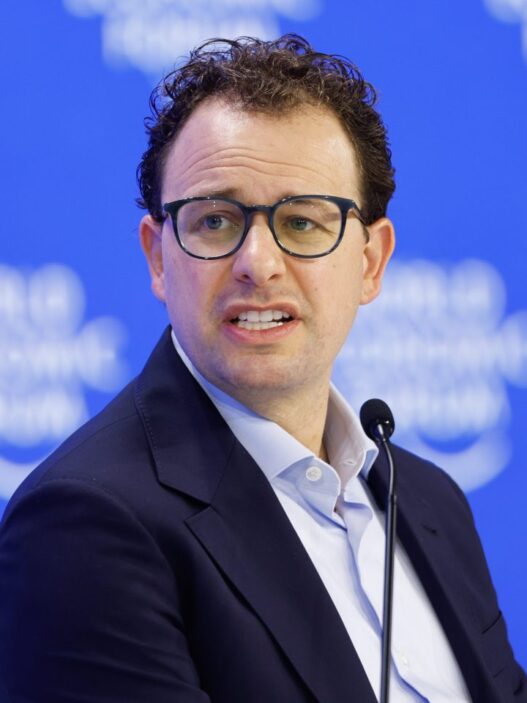






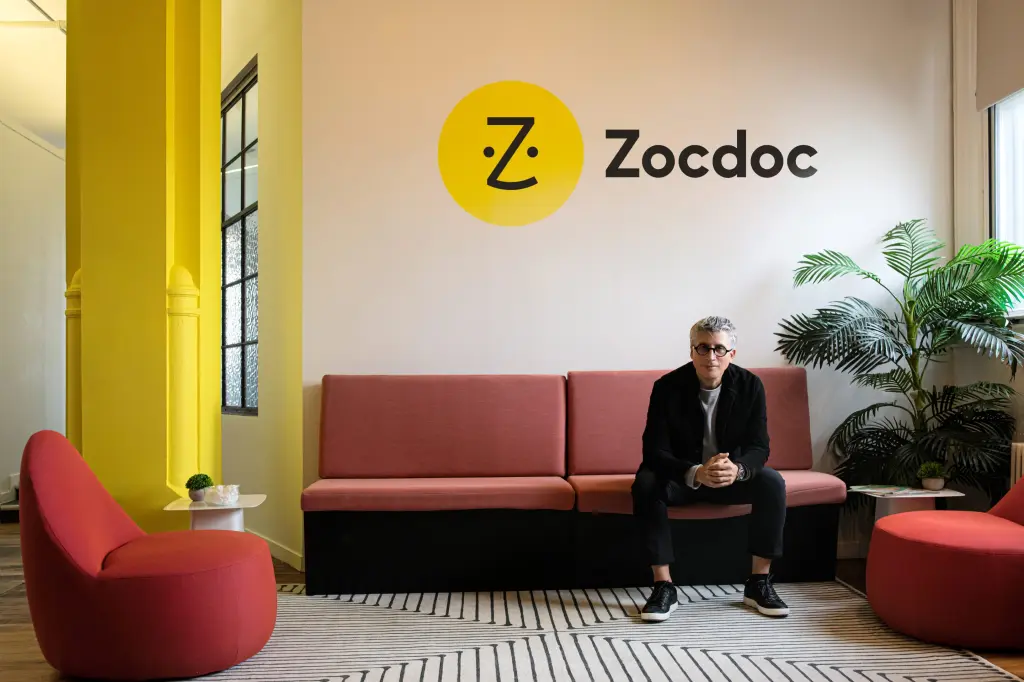
Oliver Kharraz, the physician who founded and runs healthcare scheduling platform Zocdoc, has a pointed thesis about what AI agents mean for business: they won’t affect every company the same way. Some businesses will become dramatically more valuable as agents take over more of how consumers shop, book and transact. Others will find themselves cut out of the process entirely. The difference, in his view, comes down to what a company actually does that an AI agent cannot replicate on its own.
Kharraz’s framework centers on three things agents consistently struggle to provide for themselves: differentiated products, trusted results, and the infrastructure needed to actually complete a transaction. Companies built around those strengths, he argues, are positioned to benefit rather than lose ground as AI agents become a larger share of how people interact with the internet. He points to Shopify, Stripe, Airbnb, DoorDash and Lyft as examples of businesses whose core value, verified inventory, trusted payment rails, real bookings, doesn’t disappear just because an AI agent is the one initiating the request.
Zocdoc, in his telling, sits in exactly that category. An AI agent can recommend a doctor, but it can’t independently verify whether that doctor actually accepts a given patient’s insurance, whether an appointment slot is genuinely open, or reliably complete the booking itself. Those are precisely the problems Zocdoc has spent roughly two decades building infrastructure to solve, stitching together fragmented insurance networks, provider schedules and scheduling systems that remain stubbornly disconnected across the healthcare industry.
That infrastructure, Kharraz argues, is what turns Zocdoc from a nice-to-have into something closer to a necessity for AI agents operating in healthcare: a source of verified information, trusted results and the actual mechanics of completing a transaction, none of which an agent can conjure on its own no matter how sophisticated its reasoning gets.
The shift isn't theoretical for Zocdoc. The company has seen traffic originating from AI agents roughly double every 10 days since early September 2026, a growth rate steep enough that it prompted a rapid internal response, including a push the company calls its "Welcome, Agents" campaign, aimed at making sure Zocdoc's systems work smoothly when the party on the other end of a request is software rather than a person.
Kharraz frames the broader strategic lesson in blunt terms: in a period of exponential change, waiting for certainty before acting is itself the risk. His phrase for it, "you are early until you are late," captures a bet that the companies slow to adapt to agent-driven traffic won't get a gradual warning before the shift becomes a competitive problem, and that treating this moment as speculative rather than already underway is the real vulnerability.