







Meta’s effective tax rate fell to just 2% for the nine months ended September 30, 2026, down from the 21% statutory federal rate, after the company claimed an $8.02 billion tax benefit tied to the One Big Beautiful Bill Act.
The relief traces back to a Treasury notice issued on February 18 that provided relief from the corporate alternative minimum tax related to previously capitalized US research and development costs, a change Meta recognized as an $8.03 billion tax benefit in its first quarter results.
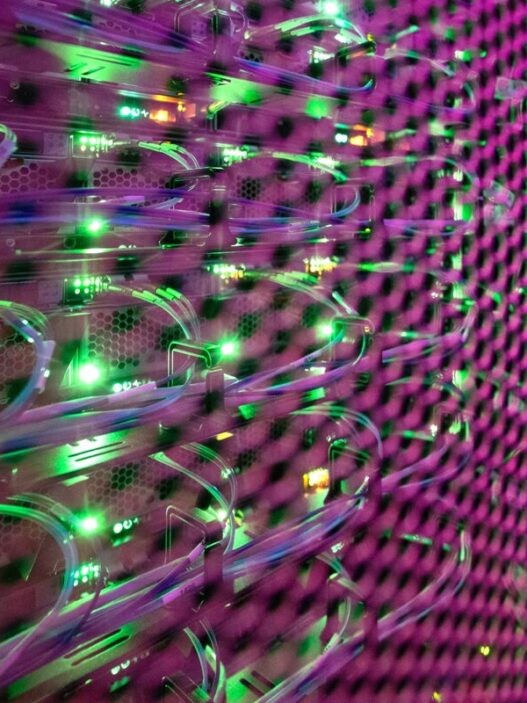
Senators, led by Elizabeth Warren, are now pressing Meta to explain why it is claiming research tax credits on its AI data centers, arguing that the One Big Beautiful Bill Act’s corporate tax provisions are being used by Meta and other large companies to significantly lower their tax bills through AI-related spending, including data center construction.
Meta's position is that the facilities genuinely qualify, telling the IRS that the data centers involve real experimentation, since the company's engineering choices around their design and operation are not predetermined outcomes. Under the new tax law, experimental expenditures can be written off immediately rather than amortized over several years.
Meta now has roughly a week to respond to senators' questions about its data center tax credit claims, following a formal inquiry sent by Warren's office in late September to Meta CEO Mark Zuckerberg, with similar scrutiny also directed at Google, Amazon and Microsoft over their own AI-related tax positions.
The dispute highlights a broader tension in how the tax code treats AI infrastructure spending: provisions designed to encourage genuine experimentation and R&D are now being used at massive scale by the largest tech companies, raising questions in Washington about whether the resulting tax savings match the law's original intent.