





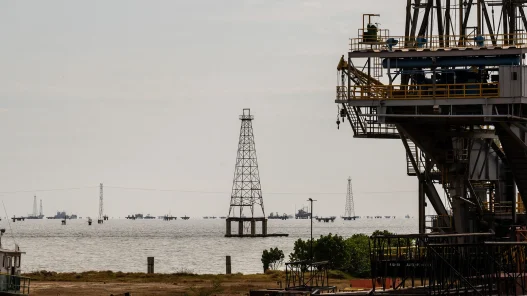
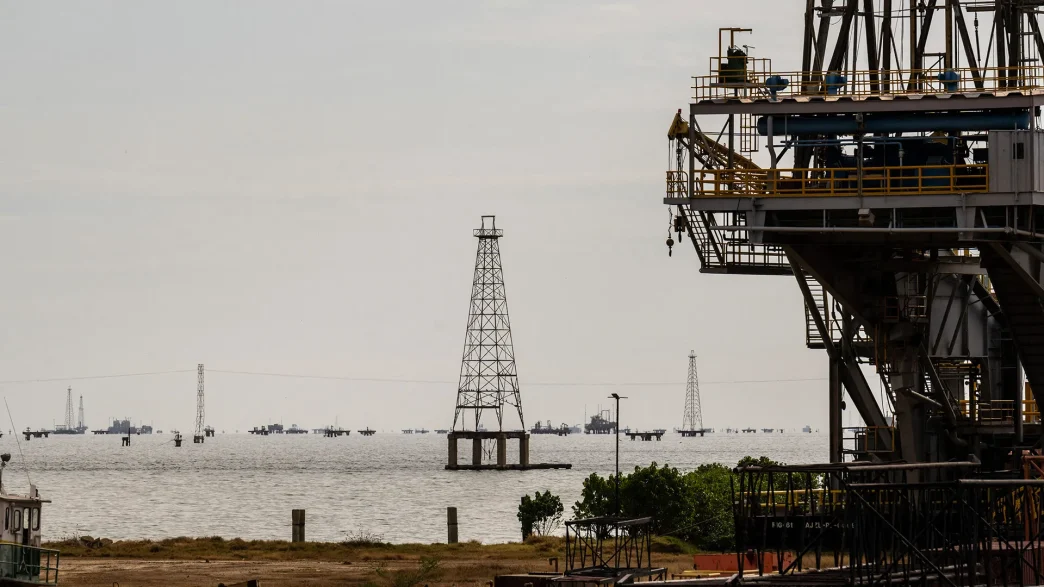
The prospect of a US-led venture accessing 65 billion barrels of Venezuelan oil, forged under the Trump administration, has ignited a complex debate regarding the future economic ties between the two nations. While the sheer volume of petroleum involved suggests a monumental shift in energy dynamics, the agreement’s long-term viability and its potential internal repercussions within Venezuela remain subjects of intense scrutiny. The deal, positioned by some as a pathway to economic revitalization, inherently carries political baggage that could either uplift or further destabilize the South American country.
Victoria Coates, formerly a Deputy National Security Advisor for Middle East Affairs and now with the Heritage Foundation, articulated a vision where such an agreement could be a catalyst for significant US investment, breathing new life into Venezuela’s ailing energy sector. Her perspective, shared during an appearance on Bloomberg This Weekend, underscores the economic potential locked within these vast reserves. For decades, Venezuela’s oil industry, once a robust engine of national prosperity, has suffered from chronic underinvestment, mismanagement, and international sanctions, leading to a dramatic decline in production. A substantial infusion of capital and expertise could, theoretically, reverse this trend, offering a lifeline to a country grappling with profound economic hardship.
However, Coates also emphasized a crucial caveat: any genuine economic recovery must be inextricably linked to political liberalization and the restoration of self-determination for the Venezuelan people. This linkage highlights the inherent tension in the deal. Can a purely economic arrangement, even one of this magnitude, truly succeed without addressing the underlying political fractures that have plagued Venezuela for years? Critics often point to the risk that substantial oil revenues, if not managed transparently and democratically, could merely entrench existing power structures rather than foster broader societal benefits. The question looms whether such a deal could inadvertently provide a financial prop to a regime, rather than serving as a genuine impetus for democratic change.
The political durability of this agreement is another pressing concern. Changes in US presidential administrations often bring shifts in foreign policy, and a deal struck by one administration might face re-evaluation or even cancellation by another. This inherent uncertainty could deter the long-term, large-scale investments necessary to fully exploit such an enormous oil reserve. Investors typically seek stability and predictability, qualities that have been in short supply in the US-Venezuela relationship for some time. Moreover, the deal’s reception within Venezuela itself is far from guaranteed. Any perception that the agreement compromises national sovereignty or disproportionately benefits external actors could provoke significant internal backlash, potentially undermining its operational success and political legitimacy.
This proposed venture forces a critical examination of the broader US strategy toward Venezuela. Is the primary goal to stabilize global energy markets, to alleviate humanitarian crises, or to facilitate a transition to democracy? The lines often blur, and a purely economic approach, while offering immediate benefits, might not align with the broader geopolitical objectives or the long-term interests of the Venezuelan populace. The challenge lies in crafting an engagement that can simultaneously unlock Venezuela’s vast natural resources, encourage responsible economic development, and genuinely support the democratic aspirations of its citizens, all while navigating a complex and often volatile political landscape. The path forward for this US-led oil initiative is fraught with both immense opportunity and considerable risk, making its ultimate impact on Venezuela’s future a subject of ongoing, close observation.