






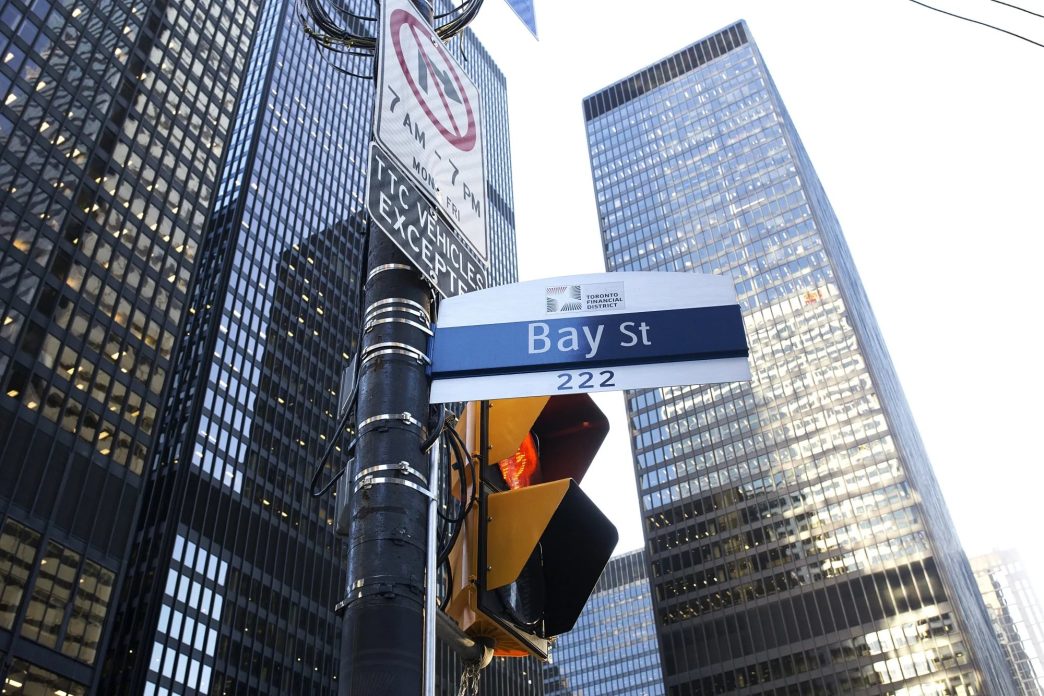
Canada’s six largest banks are preparing to close the books on a fiscal year that has been shaped by strong capital markets, revived dealmaking and an active mergers-and-acquisitions pipeline. As they report fourth-quarter results over the coming days, investors will be looking past the headline profit numbers for clues about how much of the momentum can carry into 2027.
The quarter is expected to highlight the gap between the banks’ capital markets divisions, which have benefited from a rebound in advisory fees and equity issuance, and their more traditional retail and commercial banking businesses, where loan growth and credit quality remain closely watched.
Bonuses reflect a strong year
One of the most closely watched numbers this year will not appear on the income statement at all. After a stretch in which deal flow slumped and trading desks struggled, investment bankers at the Big Six are heading into bonus season expecting a significant improvement from the lean years that followed the pandemic.
Record-breaking equity offerings, including blockbuster technology listings, have kept syndicate desks busy. At the same time, a pickup in domestic and cross-border M&A has brought advisory revenue back toward levels that bankers had hoped for when interest rates began to fall. The result is likely to be a bonus pool that rewards dealmakers after several years of restraint.
Capital markets drive the quarter
Capital markets revenue is expected to be the standout segment when the banks report. Equity underwriting in particular has been lifted by high-profile initial public offerings and follow-on offerings, with technology and resource companies among the most active issuers. Debt markets have also been busy as borrowers rushed to lock in financing ahead of policy uncertainty.
For the banks, the strength is a reminder that their diversified business models can offset slower quarters in Canadian retail banking. It also raises questions about whether the trading and advisory surge can last, or whether it reflects a temporary window of activity that will close once the current wave of issuance fades.
Retail banking and credit quality
While capital markets shine, the banks’ domestic lending businesses face a more mixed picture. Mortgage growth has stabilized after the steep rate increases of 2022 and 2023, but many borrowers are still adjusting to higher monthly payments. Commercial loan demand has been uneven, with some sectors expanding while others hold back on new investment.
Credit quality has held up better than many forecasters expected, though provisions for loan losses remain elevated by historical standards. Investors will want to know whether executives see any cracks emerging in consumer credit or commercial real estate, two areas that have drawn attention in recent quarters.
The 2027 outlook
Beyond the fourth-quarter results, bank leaders will be asked to lay out their expectations for the year ahead. The Bank of Canada has already cut interest rates several times, and further reductions could support loan demand while compressing net interest margins. The path of rates will be a key variable for profitability in both retail and wholesale banking.
Cost management will be another theme. After years of investing in technology and expanding headcount, lenders are under pressure to show that expenses are under control. Any guidance on efficiency ratios or planned restructuring will be parsed closely by analysts.
Deal frenzy beyond banking
The earnings season also arrives amid a broader surge in Canadian dealmaking, particularly in the telecom sector. A flurry of transactions has put investment bankers to work and added to the sense that corporate confidence is returning. Whether that activity spreads to other sectors will help determine whether the capital markets rebound has staying power.
For now, Canada's banks are entering reporting season with momentum. How long that momentum lasts will depend on whether the forces that drove a strong year, from active capital markets to resilient borrowers, remain in place as the calendar turns to 2027.