





Spencer Platt/Getty Images North America
If Anthropic goes public this year, the U.S. could post a record year for IPO proceeds. That headline number would be misleading, according to Bloomberg Opinion columnist Jonathan Levin, who argues the strength is really coming from just a handful of massive, high-profile listings rather than any broad recovery in the health of American public markets.
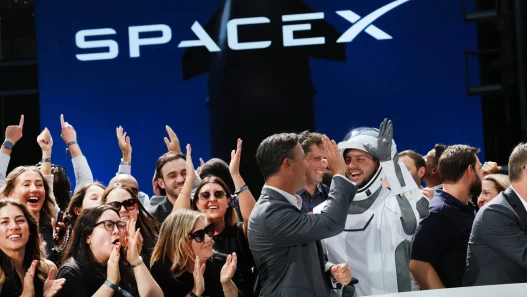
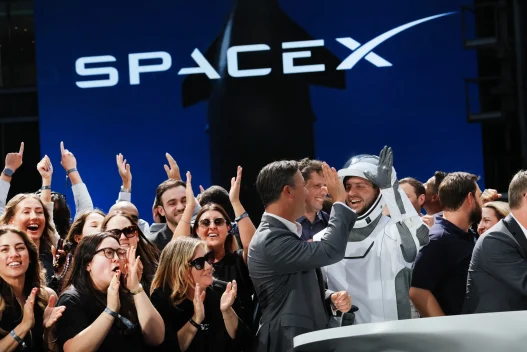
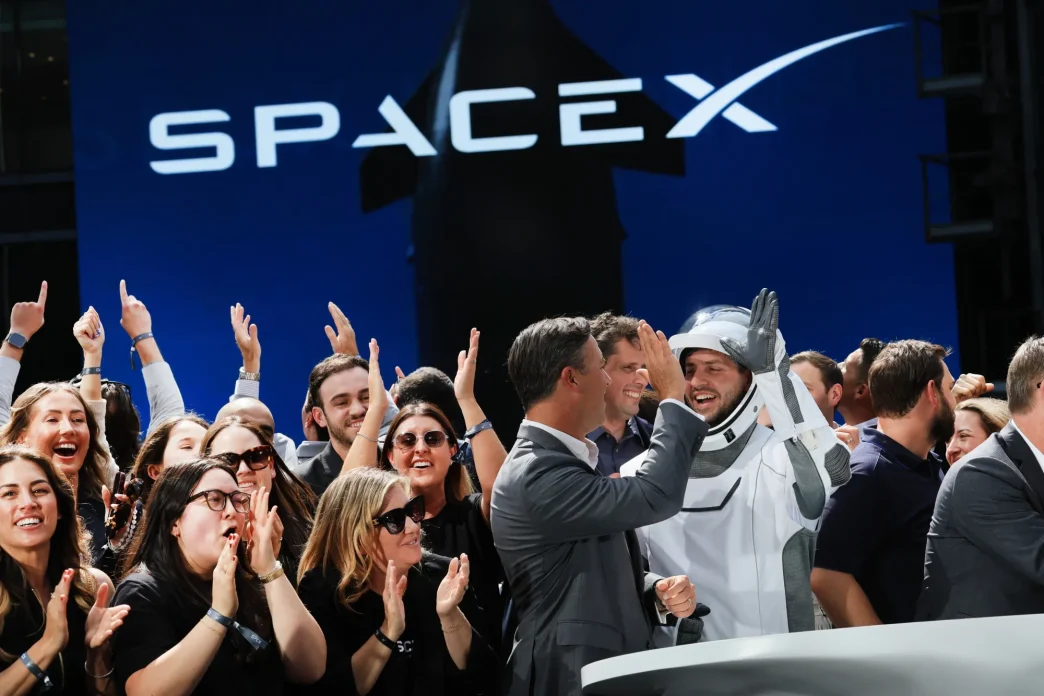
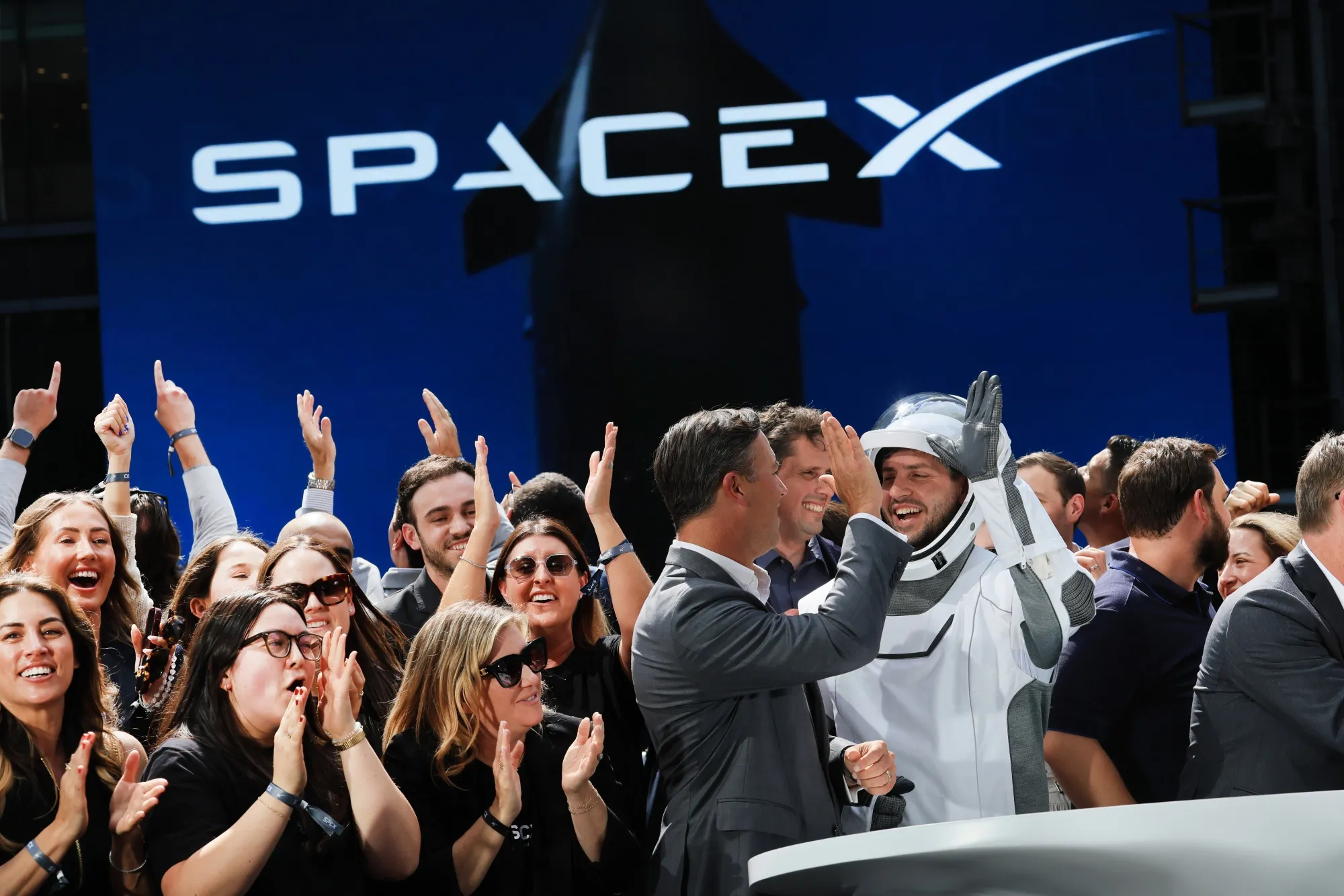
SpaceX and Anthropic, the AI company behind the Claude chatbot, are large enough on their own to single-handedly inflate the year’s IPO statistics. Treating that as evidence the IPO market has healed, Levin argues, would be a “false dawn” that papers over a deeper, decades-long problem: a structural shift of capital away from public markets and into private funding.
The scale of that shift shows up starkly in the number of public companies available to ordinary investors. The count of U.S. public companies peaked at more than 8,000 in 1996; today it sits at just under 5,000, even as the American economy and the pool of investable companies have both grown substantially larger over that same period.
What’s replaced those public listings is a private funding ecosystem that keeps companies opaque for far longer than they used to be. Levin’s argument is that when a company spends its fastest-growing years as a private entity, funded by venture capital and other private investors, the resulting gains accrue overwhelmingly to founders and a narrow class of wealthy, well-connected investors, rather than being shared with the broader public through stock markets that anyone can buy into.
That dynamic curbs transparency too. Private companies face far lighter disclosure requirements than public ones, meaning the fastest-growing, most consequential businesses in the economy, including the AI companies now reshaping entire industries, can operate with far less public scrutiny of their finances than a comparable public company would.
Seen through that lens, a couple of blockbuster IPOs from SpaceX and Anthropic don’t represent a cure for what ails the IPO market, they’re symptoms of the same disease: companies now grow to enormous scale and influence entirely outside public markets, only opening up to ordinary investors once most of the value creation has already happened, and mostly on the terms their founders choose.