





The average rate on a 30-year fixed-rate mortgage in the US climbed to 6.97% this week, marking its highest level in more than a year and introducing fresh headwinds for an already constrained housing market. This latest surge, following a period of relative stability, reflects a broader economic landscape shaped by persistent inflation concerns and a Federal Reserve committed to its anti-inflationary stance. For prospective homebuyers and those considering refinancing, the immediate implication is a significant increase in the cost of borrowing, potentially sidelining more individuals from achieving homeownership or making existing homes less affordable.
This uptick is largely attributable to the Federal Reserve’s recent signals regarding interest rates, which have dampened market expectations for imminent cuts. As central bank officials continue to emphasize a data-dependent approach, with inflation proving stickier than anticipated, bond yields have responded by rising. Mortgage rates, intrinsically linked to the yield on the 10-year Treasury note, naturally follow suit. The market’s previous optimism about multiple rate cuts in the near future has largely evaporated, replaced by a more cautious outlook that anticipates fewer, and later, reductions in the federal funds rate.
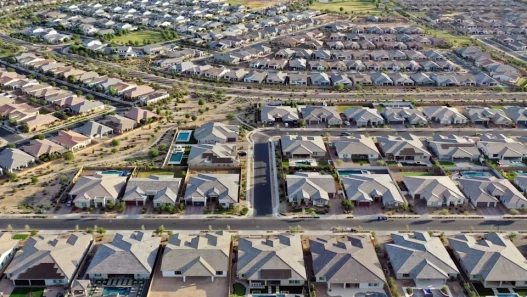
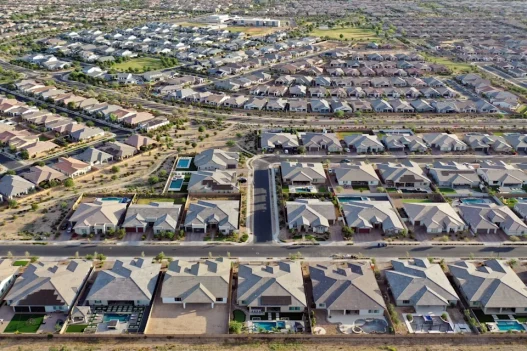
The ripple effects of this increase are already being felt across the housing sector. Affordability, a persistent challenge in many US markets, is now further exacerbated. A higher mortgage rate translates directly into larger monthly payments, effectively reducing a buyer’s purchasing power even if home prices remain stable. For a median-priced home, a half-point increase in interest rates can add hundreds of dollars to a monthly payment, a sum that can be prohibitive for many households grappling with other rising costs of living. This dynamic often leads to a cooling effect on demand, particularly in price-sensitive segments of the market.
Existing homeowners are also watching these developments closely, especially those who purchased or refinanced during the period of historically low rates seen just a few years ago. The current environment makes refinancing largely unappealing for the vast majority, as few can secure a rate lower than their existing one. This “lock-in” effect, where homeowners are reluctant to sell and trade their low-rate mortgages for a new, higher one, continues to contribute to the scarcity of available homes for sale. The limited inventory, in turn, helps to keep home prices elevated, creating a complex paradox where high prices and high rates conspire to keep many buyers out of the market.
Analysts from Freddie Mac, who track these figures weekly, noted that while the economy continues to show resilience, the pathway to lower mortgage rates remains tied to sustained progress on inflation. Until there is clear and convincing evidence that price pressures are consistently easing towards the Federal Reserve’s 2% target, the volatility in bond markets and, by extension, mortgage rates, is likely to persist. This creates an environment of uncertainty, making long-term financial planning for housing a more intricate challenge for families nationwide.
Looking ahead, the trajectory of mortgage rates will hinge significantly on upcoming economic data, including inflation reports and employment figures. Any signs of a slowdown in the labor market or a definitive deceleration in consumer price growth could provide the impetus for bond yields to fall, potentially offering some relief to prospective borrowers. However, for the immediate future, US homebuyers must contend with a lending environment that demands greater financial flexibility and a willingness to navigate higher borrowing costs, reshaping expectations for homeownership in the current economic cycle.