







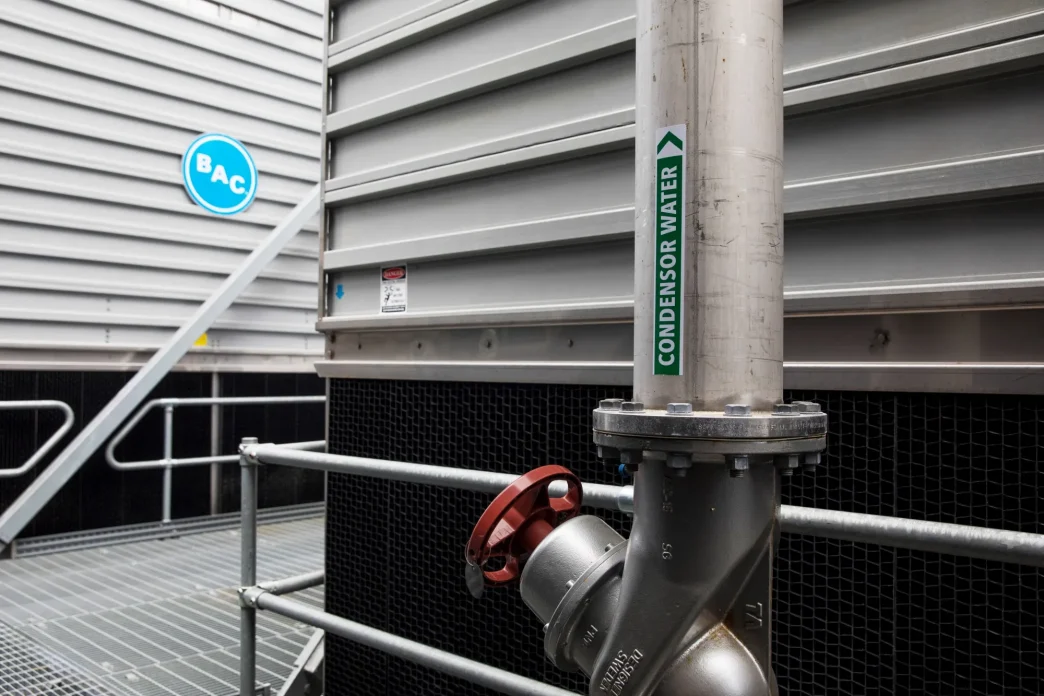
Amsted Industries, the diversified manufacturing giant known for its broad portfolio ranging from freight car components to industrial process equipment, is reportedly exploring the sale of its Baltimore Aircoil Company, or BAC, unit. This potential divestiture could fetch approximately $6 billion, signaling a significant strategic realignment for the privately held conglomerate. The move suggests a deeper evaluation of Amsted’s core assets and future direction, particularly in a landscape where specialized industrial segments are attracting considerable investor interest.
Sources close to the matter indicate that Amsted has engaged advisors to assess market appetite for BAC, a global leader in evaporative cooling, thermal storage, and heat transfer technology. BAC’s products are critical for various industrial and commercial applications, from data centers needing precise temperature control to large-scale HVAC systems in commercial buildings. A sale of this magnitude would represent one of the larger industrial transactions of the year, drawing attention from private equity firms and rival industrial players looking to expand their climate control portfolios. The reported valuation underscores BAC’s strong market position and the consistent demand for its energy-efficient cooling solutions.
The decision to potentially shed a high-performing asset like BAC is not made lightly and often reflects a desire to streamline operations, focus on other core businesses, or generate capital for new investments. Amsted’s diverse structure means it operates across several distinct sectors, and a divestiture could allow for greater concentration on areas where the company sees stronger long-term growth or competitive advantage. While Amsted itself is not publicly traded, its strategic decisions reverberate through the industrial sector, influencing investor sentiment and competitive landscapes.
Industry analysts suggest that the timing for such a sale could be opportune. The global market for cooling systems is experiencing robust growth, driven by increasing urbanization, climate change concerns pushing for more efficient technologies, and the relentless expansion of data infrastructure. Companies like BAC, which offer solutions designed to optimize energy consumption and reduce environmental impact, are particularly well-positioned. This demand creates a fertile ground for a sale, potentially attracting a premium valuation from buyers keen to capitalize on these trends.
Should the sale proceed, the impact on BAC’s operations and its extensive global workforce remains a key consideration. A new owner, whether a private equity firm or a strategic buyer, would likely seek to integrate BAC’s technologies and market reach into its own vision, potentially leading to shifts in investment priorities or geographic focus. For Amsted, successfully executing a transaction of this scale would provide substantial capital, offering flexibility for debt reduction, share buybacks for its employee owners, or reinvestment into its remaining divisions. The coming months will likely reveal more about Amsted’s strategic intentions and the future path for BAC, a quiet but critical player in the world of industrial cooling.