





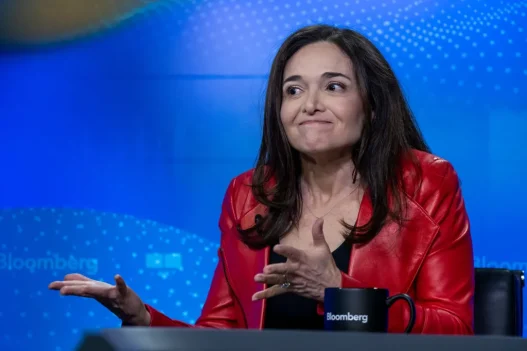
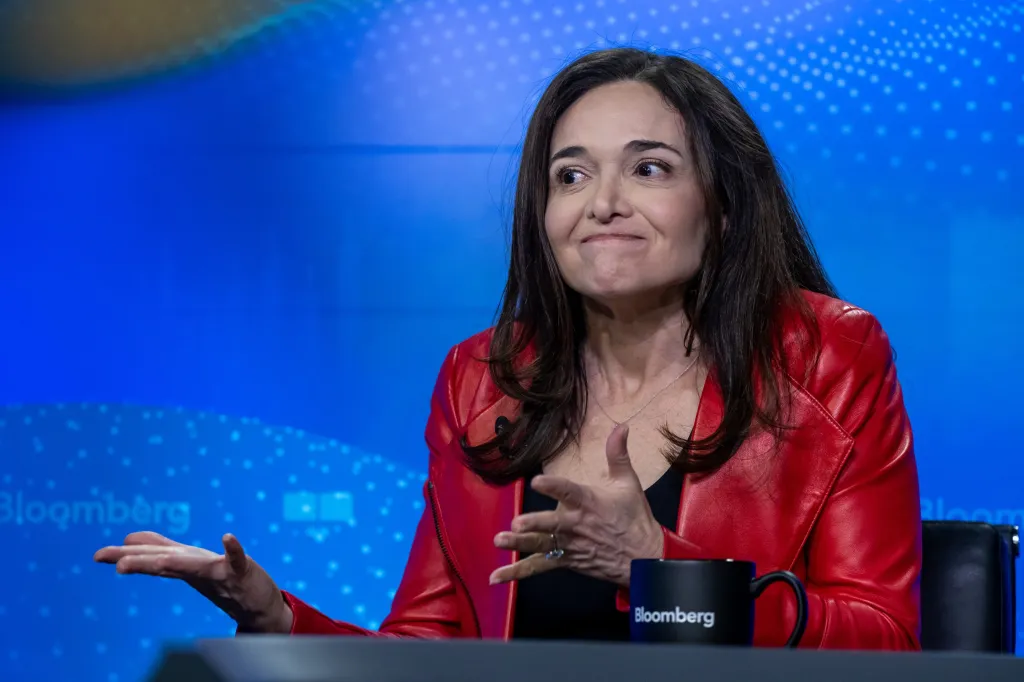
The traditional career roadmap, a staple of graduation advice for generations, is now considered obsolete by some of the most influential voices in technology and business. Sheryl Sandberg, the former chief operating officer of Meta, recently told Brandeis University graduates that the notion of a meticulously planned career, extending a decade or more into the future, is no longer viable. Her counsel challenges the ingrained belief that a detailed professional trajectory is a prerequisite for success, particularly in an era marked by rapid technological evolution and economic shifts.
Sandberg, whose own career trajectory notably diverged from any pre-set path, emphasized that attempting to script one’s professional life in an unpredictable future could lead to missed opportunities. She recounted her experience graduating from Harvard in 1991, a time when the internet as we know it was nascent, becoming publicly available two years later. After working in the Treasury Department under President Bill Clinton, she faced significant job market uncertainty. She described a period of intense worry, even after securing a position with a then-nascent company she feared might not survive: Google. That company, of course, grew into one of the world’s most valuable enterprises, now boasting a $4.7 trillion market capitalization. Sandberg’s role in scaling Google’s sales team from four individuals to 4,000, before her prominent tenure with Mark Zuckerberg, illustrates how unforeseen developments can shape a career more profoundly than any preconceived plan.
Her message resonates particularly with Generation Z, who are entering a labor market increasingly disrupted by artificial intelligence. Leaders in the AI field, including OpenAI’s Sam Altman and Anthropic’s Dario Amodei, have vocalized concerns about AI’s potential to displace entire professions. A January report from the World Economic Forum indicated that nearly half of global employers anticipate replacing workers with automation within the next four years, with entry-level positions often cited as most vulnerable. This backdrop of technological upheaval creates a unique anxiety for new graduates, prompting Sandberg to acknowledge their valid concerns about securing stable employment.
However, Sandberg also provided a historical perspective, noting that each graduating class has faced its own set of economic challenges. She cited headlines from 2003 and 2009, describing those periods as the “toughest job market in decades,” and even referenced similar sentiments dating back to 1971. Her point was clear: while the current landscape presents difficulties, the sentiment that “this year is the worst” is a recurring theme in graduation speeches, almost as old as the tradition itself. She affirmed that while the job market is not easy, every generation has ultimately navigated its complexities.
This perspective on career planning is not exclusive to Sandberg. Ryan Roslansky, executive vice president at LinkedIn and Microsoft Office, has similarly labeled the five-year plan as “outdated” given the pace of change in technology and the labor market. Liz Baker, CEO of Greater Good Charities, a global impact organization, also echoed this sentiment, stating that a rigid five-year plan would have hindered her organization’s ability to adapt and survive. Her team now operates on shorter planning cycles, sometimes as brief as three to six months, to maintain agility.
Despite the emphasis on flexibility, some level of long-term vision remains crucial. Dan Rogers, CEO of Asana, for instance, advocates for articulating a broad “dream” or “calling” in life, even without a detailed map to achieve it. He shared his own 25-year aspiration to become a Silicon Valley CEO, a goal that, while not a step-by-step plan, guided his short-term decisions. This approach suggests that while the rigid, decade-long career plan may be obsolete, a foundational sense of purpose or a desired end-state can still provide direction amidst uncertainty, allowing individuals to capitalize on unexpected opportunities rather than being constrained by a predetermined route.