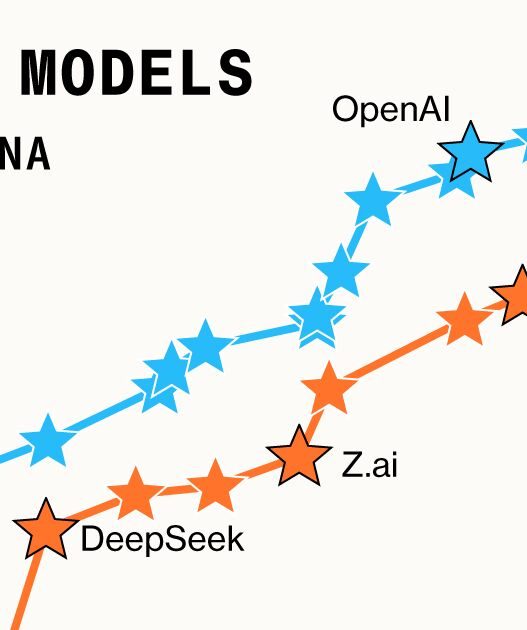










The artificial intelligence sector is witnessing a rapid re-evaluation of its potential, underscored by recent figures suggesting Anthropic’s annual revenue run rate has now reached an astonishing $65 billion. This projection, reported by Bloomberg, marks a significant increase from its previously anticipated $9 billion in sales for the end of 2025, representing a sevenfold expansion in its financial outlook. Such a dramatic shift in valuation metrics arrives as the company prepares for a potential public offering later this year, positioning it ahead of other anticipated AI market debuts from competitors like OpenAI and DeepSeek.
This burgeoning financial strength within the AI landscape occurs against a backdrop of broader economic resilience, particularly in the U.S. market. Second-quarter earnings across the S&P 500 have demonstrated robust growth, with a nearly 30% year-over-year increase, even as real GDP growth hovered around 1.5%. Analysts at Morgan Stanley attribute much of this performance to the AI capital expenditure boom, which they suggest has outweighed concerns about oil shocks, persistent inflation, and monetary policy uncertainties. This phenomenon is not solely concentrated in tech giants; Goldman Sachs data indicates that revenue gains are broadly distributed, with non-tech S&P 500 companies also reporting a median revenue increase of 3%, contributing to an overall rise of over 6% across the index.
The optimism surrounding AI’s economic impact is palpable, yet the global economic picture remains complex. Geopolitical tensions, particularly concerning the Strait of Hormuz, have introduced considerable volatility into commodity markets. Brent crude oil, for instance, recently climbed back above $90 per barrel following rhetoric from former President Trump regarding the strategic waterway. The speaker of the Iranian parliament, Mohammad Bagher Ghalibaf, has laid out specific conditions for the strait’s full reopening, including the lifting of sanctions and the release of frozen assets, indicating a prolonged standoff. This situation has led investors to price in a semi-permanent closure, as noted by analysts like Paul Donovan at UBS, dampening market optimism despite strong corporate earnings.
Meanwhile, legal challenges loom for established tech players, highlighting the evolving regulatory landscape. In a California federal court, opening arguments are underway in a case where 29 state attorneys general accuse Meta of deliberately designing Facebook and Instagram in ways that foster addiction among children, negatively impacting their mental health. California Attorney General Rob Bonta asserts that Meta created a dangerous product, knew of its risks, and then misled young users and their families. Meta, while denying the claims, has estimated potential damages could reach $1.4 trillion, a figure equivalent to its entire market capitalization, though the states suggest a more realistic amount around $200 billion. This litigation underscores increasing scrutiny over the social and psychological impacts of digital platforms.
Amid these diverse economic and legal currents, the financial markets also grapple with persistent inflation and the implications for interest rates. With unemployment remaining low and the economy growing, inflation continues to exceed the Federal Reserve’s target. Historical correlations suggest that the current inflation rate could necessitate a full percentage point increase in interest rates to effectively curb price pressures. This tight monetary policy outlook contrasts with a generally positive economic sentiment, as evidenced by a low probability of recession in the coming year, according to analysts at Glenmede. Nevertheless, the 30-year Treasury yield recently touched a 19-year high, reflecting broader concerns about long-term borrowing costs. The confluence of groundbreaking AI valuations, geopolitical flashpoints, regulatory battles, and central bank actions paints a dynamic and often contradictory portrait of the contemporary global economy.