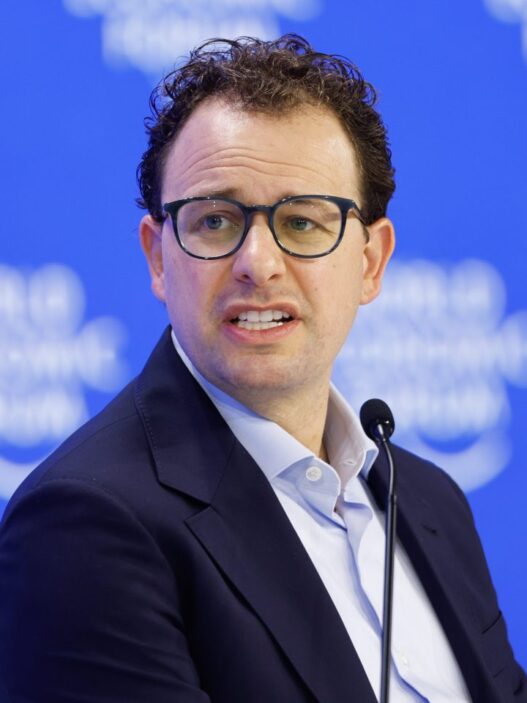

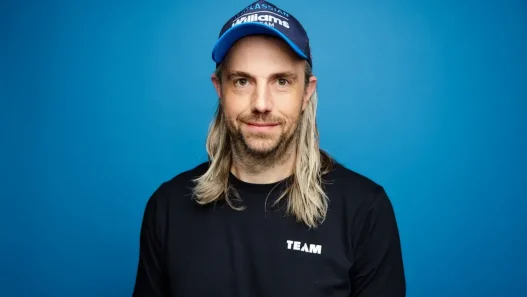




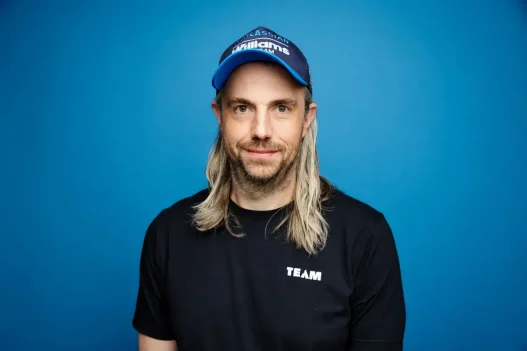
Atlassian cofounder and CEO Mike Cannon-Brookes is pushing back against the idea that artificial intelligence agents operating in the workplace should remain invisible or unaccountable, arguing that “the AI did it” cannot become an acceptable excuse when something goes wrong.
Cannon-Brookes said AI agents deployed in professional settings need to be transparent and traceable, with every action tied to a specific, identifiable human owner rather than treated as an autonomous black box. “The accountability is with Mike. It has to be with the end user, ultimately,” he said, framing responsibility for an agent’s output as resting with the person who deployed it, not the technology itself.
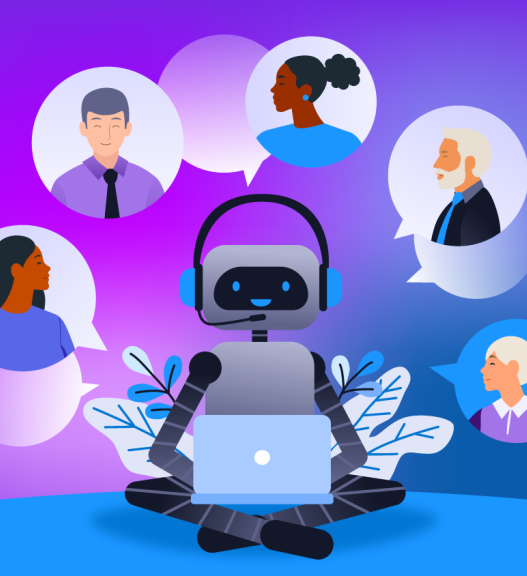
The company’s approach, what it calls its Agentic Multiplayer Protocol, treats AI agents as visible team members within its work systems, complete with distinct profiles and owner attribution, so that an agent’s edits appear in document histories the same way a human colleague’s contributions would.
Cannon-Brookes pointed to the risk of employees inadvertently leaking sensitive information when using agents to generate content from internal documents, arguing that visibility into exactly what an agent did, and who authorized it, is critical for managing permissions, security and compliance in a workplace context.
He drew a distinction between workplace AI systems, which require this kind of governance, and consumer-facing AI tools such as Meta's Muse, which tend to operate more invisibly and without the same accountability structures, arguing that the standards appropriate for consumer products don't automatically translate to enterprise environments.
Cannon-Brookes's comments reflect a broader challenge facing companies deploying AI agents at scale: building systems powerful enough to meaningfully automate work while still preserving the kind of traceability and human accountability that workplace governance, security and compliance functions depend on.