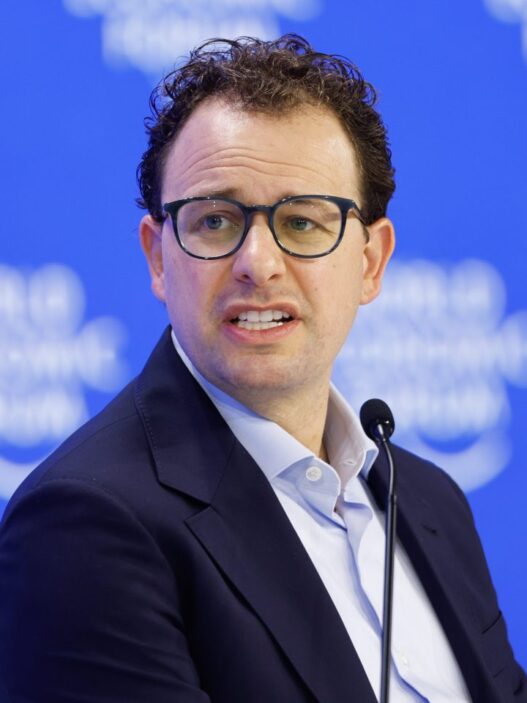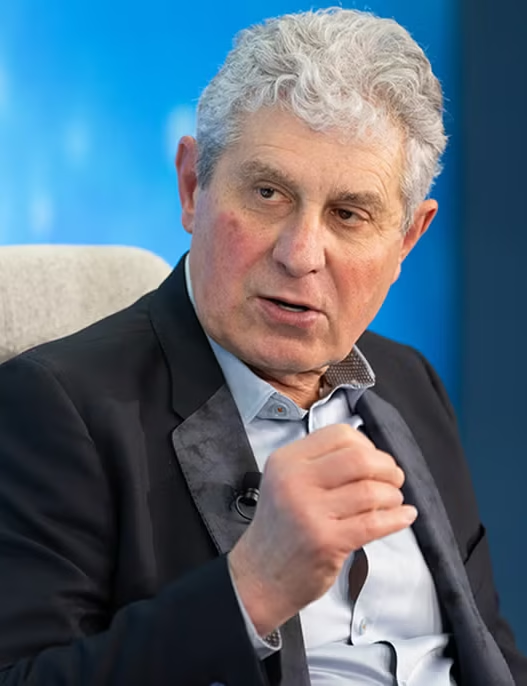

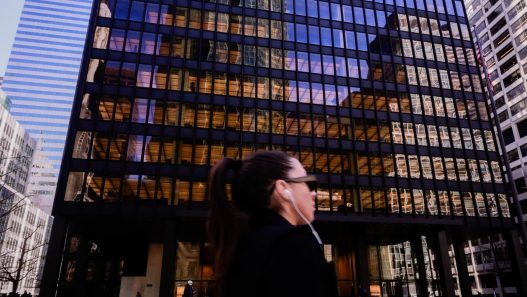

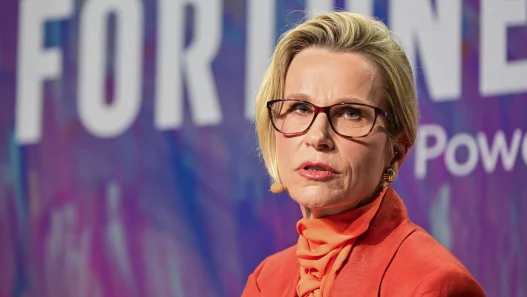




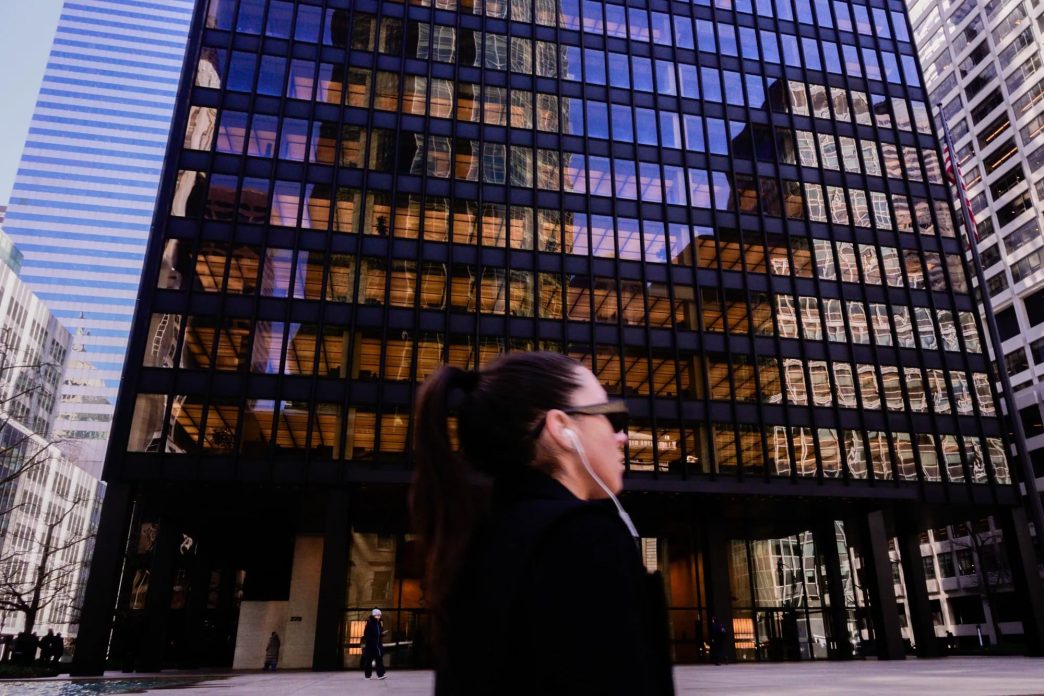
Blackstone’s real estate division, long the crown jewel of the world’s largest alternative asset manager, is attempting to rebound after a bruising stretch of leadership departures, investment losses, and a stalled fundraising campaign. In September, the firm named David Levine and Giovanni Cutaia as co-heads of global real estate, replacing Nadeem Meghji, who is leaving after less than a year as sole leader.
The change comes as the unit has gone from Blackstone’s fastest-growing division to its slowest. Real estate distributable earnings fell 10 percent in the most recent quarter compared with a year earlier, while opportunistic strategies lost 3.2 percent in just three months. Assets under management in the division have dropped by about $30 billion from their peak to roughly $309 billion as of September 30. Profit now runs at half its 2022 peak, and private equity has overtaken real estate as Blackstone’s most profitable business.
A rapid leadership rotation
Meghji took over the real estate group in January after Kathleen McCarthy stepped aside. His departure by year-end, reportedly to spend time with family before pursuing new ventures, marks another abrupt transition for a division that had been known for stability. Blackstone President Jon Gray, who built the real estate business into an industry giant, tried to convince Meghji to stay but was unsuccessful.
Levine and Cutaia are not newcomers. Levine has led Blackstone’s Americas real estate business, while Cutaia has held operational, asset management, and client-facing roles. Their combined experience is meant to steady the division at a time when investors are asking tough questions about performance and strategy.
Weak returns and frozen capital
The numbers underline the challenge ahead. Blackstone’s flagship BREP IX fund, which began investing in 2019, has produced annualized net returns of just 3 percent. That is a far cry from the double-digit returns that helped make Blackstone the largest owner of commercial real estate in the world.
High interest rates have largely frozen commercial property transactions. Sellers are unwilling to accept lower valuations, while buyers are waiting for better entry points. The result is a market where capital is reluctant to move, making it harder to put the division’s considerable cash pile to work.
Levine and Cutaia inherit nearly $47 billion in dry powder spread across a dozen portfolios. About one-third of that sits in the flagship global real estate fund, which must deploy at least 70 percent of its $30 billion before Blackstone can raise a successor fund from investors. That milestone has been delayed, adding pressure on the new leadership.
Finding bright spots
Despite the headwinds, there are areas of growth. Blackstone has benefited from surging demand for data centers, driven by the artificial intelligence boom. The firm has scored data center sales in Northern Virginia and is seeing AI-related demand for warehouses and office space. Anthropic, the artificial intelligence company, recently leased a 25-story tower in San Francisco from Blackstone.
The new co-heads plan to concentrate on warehouses, hotels, grocery-anchored retail, and data center financing. These sectors are seen as more resilient or better positioned for the current economic environment than traditional offices or speculative developments.
Returning cash to investors
Blackstone is also working to manage investor liquidity. The firm is running a secondary process for its Blackstone Property Partners fund, which would allow some investors to sell their stakes and get cash back. For those who remain, Blackstone has cut management fees. The moves are designed to retain capital while the real estate market remains sluggish.
Political clouds on the horizon
The leadership transition also faces a changing political landscape in Washington. Democrats made gains in the midterm elections, and Senator Elizabeth Warren is expected to take the chairmanship of the Senate Banking Committee. That could mean closer scrutiny of large private equity and real estate firms, including their fees, investor disclosures, and market influence.
Steve Schwarzman, Blackstone's billionaire co-founder, has taken a personal interest in shoring up morale. In June, he hosted top real estate leaders for dinner at his Manhattan apartment, with Gray also attending. The gathering was partly an effort to lift spirits after a difficult period that included the shooting death of Wesley LePatner at the firm's Park Avenue headquarters nearly a year earlier.
What comes next
For Blackstone's real estate division, the path forward depends on whether Levine and Cutaia can deploy capital at attractive prices, deliver better returns, and rebuild investor confidence. The division still controls hundreds of billions of dollars in assets and remains one of the most powerful forces in global real estate. But after years of decline, the rebound will not be quick or easy.
The broader commercial property market also holds the key. If interest rates fall and transaction activity returns, Blackstone's scale and dry powder could give it a significant advantage. Until then, the firm will have to rely on selective bets in data centers, logistics, and other corners of the market that still show life.