






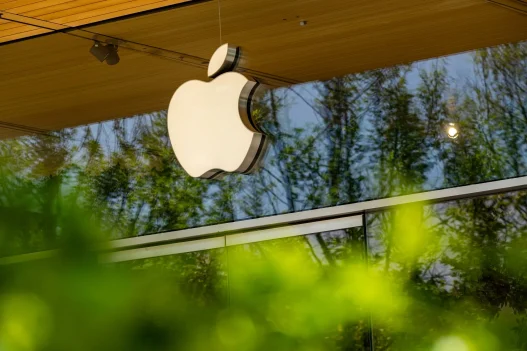
The technology giant Apple has initiated early settlement talks with the Department of Justice regarding the federal antitrust lawsuit filed against the company. This development, confirmed by sources close to the negotiations, signals a potential shift in the high-stakes legal battle that has drawn considerable attention across the tech industry and beyond. The lawsuit, launched in March, accuses Apple of monopolizing the smartphone market through a series of restrictive practices that allegedly stifle competition and innovation.
At the heart of the government’s complaint are allegations that Apple uses its control over the iPhone ecosystem to disadvantage rivals and charge excessive fees. Specific examples cited include restrictions on third-party app stores, limitations on messaging services, and controls over hardware and software integration that reportedly make it challenging for competitors to offer comparable services. The Justice Department argues these actions harm consumers by limiting choices and driving up prices for products and services within the Apple ecosystem.
While the specifics of these preliminary discussions remain confidential, such early engagement often indicates both parties are exploring avenues to avoid a protracted and costly court battle. Antitrust cases, especially those involving major corporations like Apple, can drag on for years, consuming vast resources and generating significant legal fees. For Apple, a settlement could potentially mitigate reputational damage and allow the company to focus on its product development and market strategies without the ongoing distraction of a federal lawsuit.
Conversely, the Justice Department might view an early settlement as an opportunity to secure concessions from Apple that could foster greater competition in the digital marketplace without the uncertainties of a trial. A successful negotiation could set a precedent for how powerful tech companies operate and interact with smaller developers and service providers. The outcome of these talks could shape future regulatory approaches to digital platforms and their market dominance.
Legal experts suggest that even if these initial discussions do not lead to an immediate resolution, they could lay the groundwork for future negotiations or at least clarify the positions and priorities of both Apple and the Justice Department. The process of reaching a settlement in such a complex case is rarely straightforward, often involving multiple rounds of proposals and counter-proposals. The potential remedies could range from monetary penalties to significant changes in Apple’s business practices, particularly concerning its App Store policies and interoperability with other platforms. The tech world will undoubtedly be watching closely as these conversations unfold, understanding that any resolution could have far-reaching implications for how technology is developed, distributed, and consumed globally.