






More than 95,000 metric tons of spent nuclear fuel currently reside in temporary storage across the United States, scattered over 80 sites in upwards of 30 states. This growing accumulation lacks a permanent home, a challenge that has persisted for decades, notably exemplified by the stalled Yucca Mountain project in Nevada. Now, a partnership involving nuclear waste startup Deep Isolation and oilfield services giant Halliburton is proposing a new approach, leveraging advanced drilling techniques to create deep borehole repositories for radioactive waste. Their collaboration aims to provide a long-term solution as the nation anticipates a potential resurgence in nuclear energy to meet increasing demands, particularly from the burgeoning artificial intelligence sector.
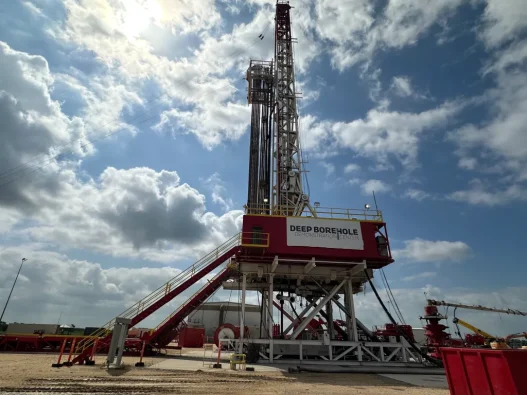
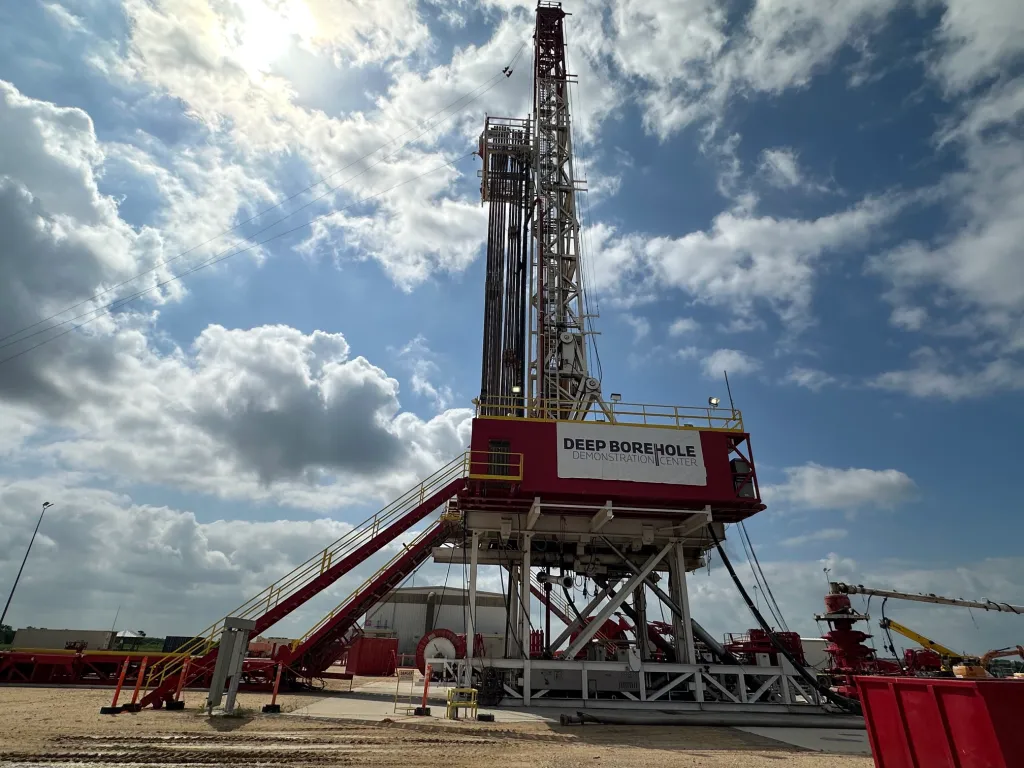
The initiative centers on the Deep Borehole Demonstration Center, located on a remote central Texas property near Cameron. Here, the plan is to adapt modern directional oil-drilling methods to safely entomb 5,000-pound waste canisters approximately two miles underground. Rod Baltzer, CEO of Deep Isolation, emphasizes the depth advantage of this method, stating it can reach twice as deep as conventional mined repositories, accessing geological formations undisturbed for a million years. This capability could allow waste to be disposed of closer to its point of generation, potentially mitigating transport concerns.
The concept of combining oil and nuclear waste techniques is not entirely new, having been considered four decades ago. However, technological and economic constraints rendered it unfeasible at the time. Recent advancements in the energy sector, specifically the perfection of drilling longer and horizontally oriented wells to extract crude oil from complex geological formations, have made revisiting this approach viable. Baltzer noted a significant communication gap between the nuclear and oil industries, with the nuclear community largely unaware of the rapid progress in drilling technology over the past two decades. The oil and gas sector, accustomed to these methods, views the proposed borehole disposal as a routine engineering challenge.
Halliburton is slated to drill the first test well early next year. This demonstration will involve creating an extra-wide bore, significantly larger than typical oil wells, to accommodate the specialized waste canisters. The process will entail drilling thousands of feet vertically, then gradually curving to extend horizontally. Crucially, the demonstration will also showcase the ability to retrieve these canisters, addressing a key concern within the nuclear community regarding the retrievability of stored waste. Andy Griffith, executive director of the demonstration center and a former deputy assistant secretary of nuclear energy at the Department of Energy, highlighted the importance of this physical demonstration to build confidence among regulators and the nuclear industry.
Jason Foreman, Halliburton’s North America region manager, acknowledged the unique combination of challenges presented by this project. While Halliburton routinely drills wells globally under diverse conditions, this specific endeavor brings together extreme depth, directional deviation, horizontal drilling, an unusually large borehole diameter, and abrasive geological formations. These combined factors create a proposition that, while not entirely unprecedented in individual elements, is distinctive in its entirety. The financial investment required for these specialized wells is substantial, yet Deep Isolation posits that the economics will prove more favorable than constructing massive, centralized repositories such as Yucca Mountain.
The broader context for this endeavor includes a federal push for increased nuclear power generation. Jesse Sloane, Deep Isolation’s executive vice president of engineering, pointed out that ambitious goals, such as a potential fourfold increase in nuclear power by 2050, necessitate a definitive answer to the waste question. Deep Isolation, founded by Liz Muller and her physicist father Richard, and later joined by Baltzer, went public in July on the OTCQB venture market. While the company has secured grants from the Department of Energy for AI modeling in waste disposal site screening, a significant hurdle remains: the federal Nuclear Waste Policy Act. This legislation largely restricts permanent nuclear waste disposal licensing to Yucca Mountain, a project currently in limbo. This regulatory environment may compel Deep Isolation to pursue its initial commercial projects internationally, with Bulgaria and other countries already engaged in discussions. The earliest a commercial project might come online is projected for the early 2030s, aligning with the potential timeline for a nuclear renaissance, provided regulatory frameworks can adapt.