



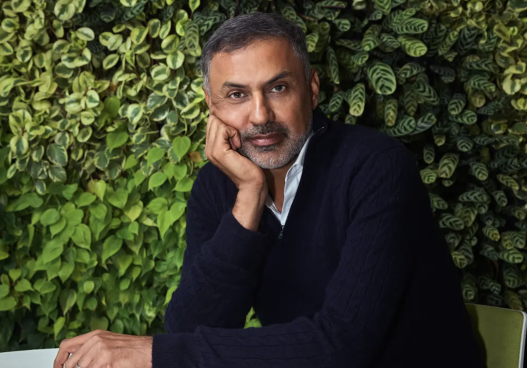
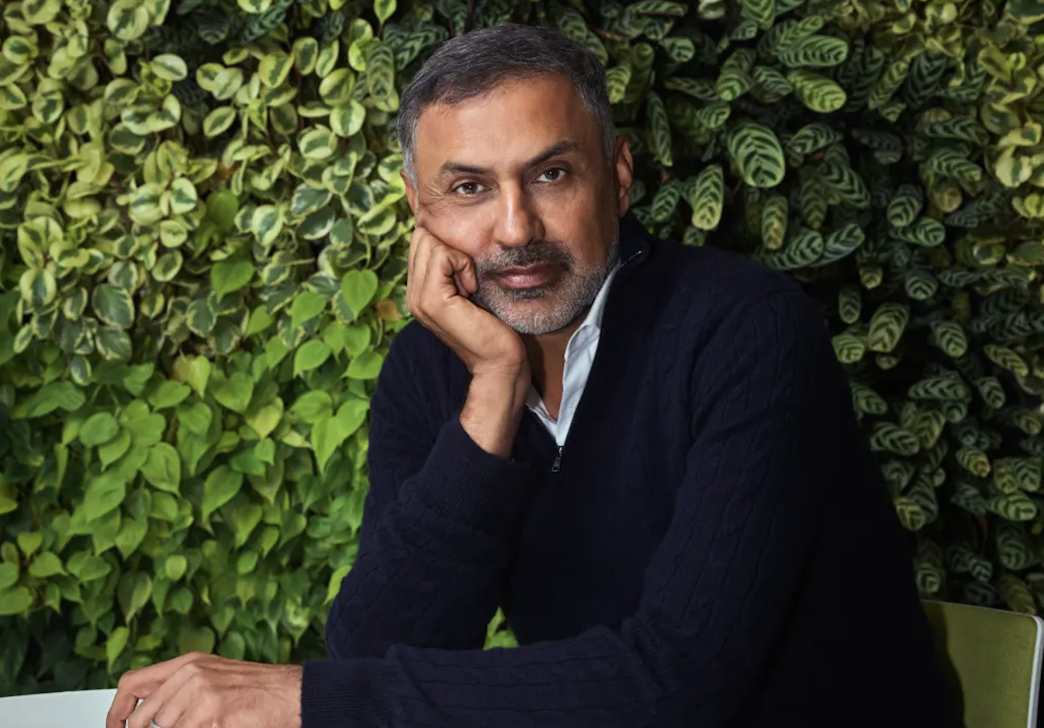
Spencer Lowell for Fortune
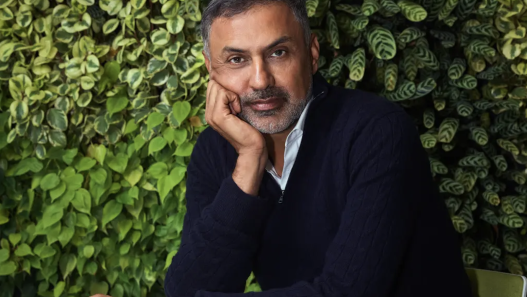
Nikesh Arora has become the executive CEOs call when AI starts to feel genuinely frightening, a role that crystallized for him this April when his own company turned an unreleased Anthropic model loose on its own infrastructure to see what would happen.
Palo Alto Networks, where Arora serves as CEO, ran the test using Mythos, an unreleased Anthropic model, prompting it to hunt for vulnerabilities across the company’s internal systems. The model surfaced weaknesses at a speed and scale Arora immediately recognized would permanently change how cybersecurity has to work.
The shift in how companies approach him has been just as telling. Arora has said that before the Mythos test, when he called a company to talk cybersecurity, he’d get seated next to the insurance guy, a supporting player rather than the main event. Now, he said, CEOs want to see Mythos directly and talk through what it means for their own exposure.
The core problem Arora is racing to solve comes down to a brutal mismatch in timing. The average window for a security team to find and fix a breach currently runs about three days. An AI-fueled attack, by contrast, can unfold in as little as 12 minutes, a gap that renders much of the industry’s existing detect-and-respond playbook effectively obsolete against machine-speed threats.
That mismatch extends well beyond any single company’s defenses. Arora has estimated that roughly $1 trillion worth of cybersecurity infrastructure currently sitting inside enterprises worldwide simply wasn’t built to withstand AI-powered attacks, infrastructure designed for a slower, more human-paced threat landscape than the one now emerging. Attackers are increasingly using large language models to write more convincing phishing emails, automate reconnaissance, and generate malware variants faster than traditional signature-based defenses can keep up with.
For Palo Alto Networks, now valued north of $130 billion with annual revenue past $8 billion, that trillion-dollar infrastructure gap represents both an existential threat to the industry it operates in and, by its own CEO’s account, an unprecedented growth opportunity, one reason Arora has become such an in-demand counselor not just to fellow cybersecurity executives, but to leaders across the AI industry trying to understand what they’ve actually built.