






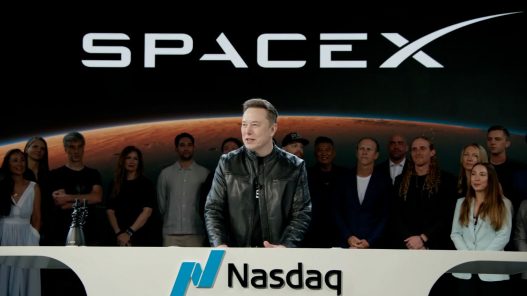
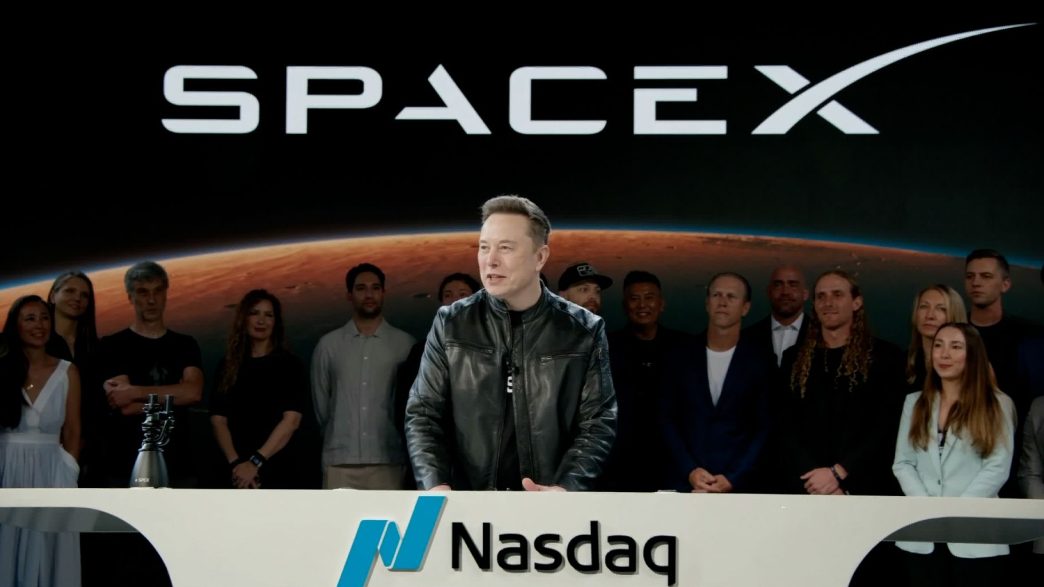
The financial world has been abuzz with speculation regarding a potential public offering for SpaceX, the aerospace manufacturer and space transport services company founded by Elon Musk. While no definitive timeline or official announcement has emerged, the sheer scale of the company’s valuation, often cited at around $75 billion, fuels continuous discussion among investors, analysts, and industry observers. This valuation places SpaceX among a select group of privately held giants, its trajectory driven by ambitious projects ranging from the Starship program to the rapidly expanding Starlink satellite internet constellation. The path to an initial public offering (IPO) for a company of this magnitude, particularly one so deeply intertwined with the vision of its often-unpredictable founder, presents a complex array of considerations.
One of the primary factors influencing any potential IPO is the company’s capital requirements. SpaceX is not just launching rockets; it is fundamentally reshaping the economics of space access and connectivity. Developing the fully reusable Starship, designed for missions to Mars and beyond, demands colossal investments in research, development, manufacturing infrastructure, and launch facilities. Similarly, the ongoing deployment and operational costs of the Starlink network, which aims to provide global broadband internet, are substantial. While SpaceX has successfully raised billions through private funding rounds, including significant investments from institutional giants and sovereign wealth funds, a public market debut could unlock a much larger pool of capital, accelerating these long-term, capital-intensive endeavors.
However, the nature of SpaceX’s projects introduces a unique set of challenges for a public market listing. Space exploration and satellite internet are not without considerable risks. Technical failures, regulatory hurdles, and intense competition are inherent to the industry. Public investors tend to favor predictable revenue streams and clear paths to profitability, which can be elusive in a sector characterized by high upfront costs and extended development cycles. Elon Musk himself has often expressed reservations about taking SpaceX public too soon, citing concerns that quarterly earnings pressures might compromise the company’s long-term, audacious goals. He has consistently emphasized that Starlink, with its more conventional subscription-based revenue model, is the most likely candidate for a spin-off IPO once its cash flow becomes more predictable.
The market conditions at the time of a proposed IPO would also play a critical role. The appetite for high-growth, yet sometimes volatile, technology and aerospace stocks fluctuates considerably. A successful offering would likely require a period of market stability and investor confidence in disruptive technologies. Furthermore, the valuation itself, currently hovering around $75 billion, would need to be justified to potential public shareholders. This involves demonstrating not just future potential, but also a credible pathway to sustained profitability and market dominance across its various ventures, from commercial launches to satellite internet and even future lunar and Martian missions.
Ultimately, the decision to take SpaceX public rests heavily on Elon Musk’s strategic vision and the company’s evolving financial needs. While the allure of accessing public capital for groundbreaking projects is undeniable, the potential constraints and scrutiny that come with being a publicly traded entity are equally significant. The ongoing narrative around a SpaceX IPO is less about if it will happen, and more about when, under what circumstances, and which specific components of the vast enterprise might be offered to the public first. Until then, the company continues its private trajectory, pushing the boundaries of what is possible in space.