







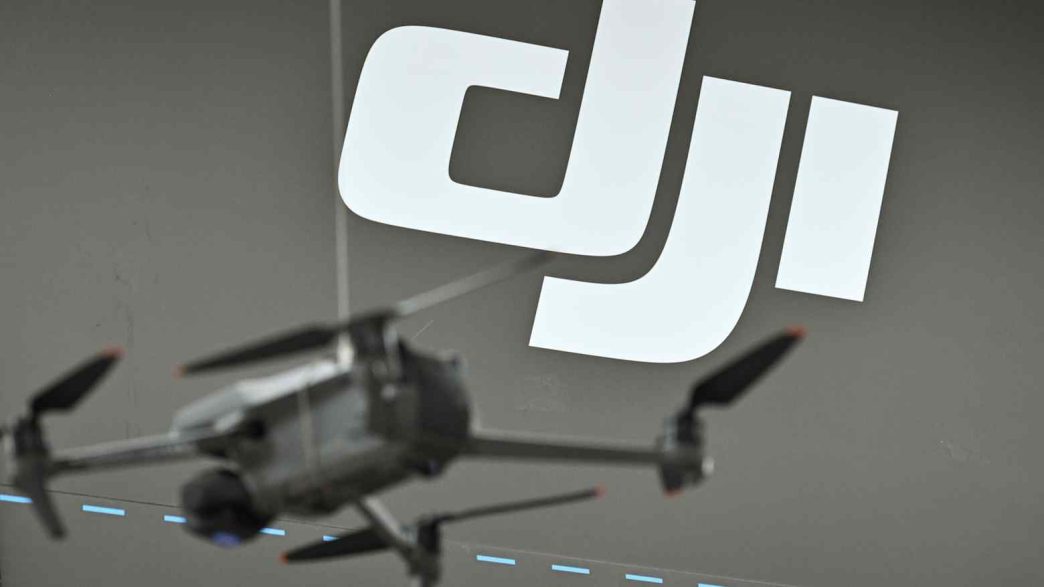
The cybersecurity findings arrive at a critical juncture for DJI, a Chinese company that once commanded over half the commercial drone market in the United States. Prior to the imposition of restrictions on foreign-made drones, their products were ubiquitous across various industries, from agriculture to infrastructure inspection. The independent assessment, conducted by a U.S.-based cybersecurity firm, specifically scrutinizes two prominent DJI drone models, seeking to address persistent concerns regarding data security and potential vulnerabilities.
This audit concludes that these particular DJI models exhibit no significant security flaws. Furthermore, the firm found no evidence indicating that data from these drones was transmitted outside the United States. This independent verification could play a pivotal role in the ongoing debate surrounding the use of Chinese-manufactured technology within sensitive sectors, a debate often fueled by geopolitical tensions and national security apprehensions. The implications extend beyond commercial sales, touching upon government procurement and critical infrastructure projects where drone technology is increasingly integrated.
For years, the provenance of technology has been a flashpoint, particularly when it involves companies from countries deemed strategic rivals. The drone industry, with its dual-use capabilities for both civilian and military applications, sits squarely within this contested space. Companies like DJI have faced intense scrutiny, leading to a complex regulatory environment that has significantly altered market dynamics and forced a reevaluation of supply chains.
The U.S. government’s stance on foreign-made drones, particularly those from China, has been driven by a desire to mitigate perceived risks to national security and data privacy. This has led to various prohibitions and restrictions, effectively reshaping the competitive landscape. For DJI, an audit of this nature represents a direct response to these pressures, offering a technical counter-argument to the broader geopolitical narrative that has impacted their market access.
Whether these findings will be sufficient to sway policy makers or alleviate the concerns that led to the initial bans remains to be seen. The political climate surrounding technology from specific nations often transcends purely technical assessments. However, the report provides concrete data points in a discussion that has frequently been characterized by generalizations and hypothetical threats. It underscores the importance of empirical evidence in evaluating security claims, especially in highly politicized technological sectors.
The ongoing challenges for DJI and other foreign technology companies highlight a broader trend towards technological decoupling and the formation of distinct, national or regional technology ecosystems. This environment compels companies to not only innovate but also to demonstrate rigorous adherence to security protocols, often through independent verification, to maintain market viability in increasingly fragmented global markets. The audit’s findings, while specific to two drone models, contribute to a larger conversation about trust, transparency, and the future of international technological collaboration.